Для глобальных клиентов, владельцев брендов, сетей ресторанов, компаний, занимающихся продажей подарков, и розничных продавцов товаров для дома, выходящих на новые рынки, оптовая поставка фарфоровой посуды на заказ это не только способ сократить затраты на закупки, но и ключевое средство для расширения дифференциации продукции и повышения имиджа бренда. Сегодняшняя промышленность находится в эпохе OEM/ODM, правильное направление настройки и поставщик Выбор поставщика определит вашу потенциальную конкурентоспособность на рынке и эффективность продаж. Однако многие покупатели в реальной жизни упускают из виду несколько важных моментов, что приводит к таким проблемам, как несоответствие образцов, задержки поставок и дополнительные расходы.
В этой статье будут систематически проанализированы пять вопросов: мощности, материалы и процессы, соответствие дизайну, контроль качества, минимальный объем заказа и сроки поставки, чтобы помочь вам принять более эффективные и точные решения для оптовая поставка фарфоровой посуды на заказ проект заранее.
Определение позиционирования продукта и требований к материалам/процессам
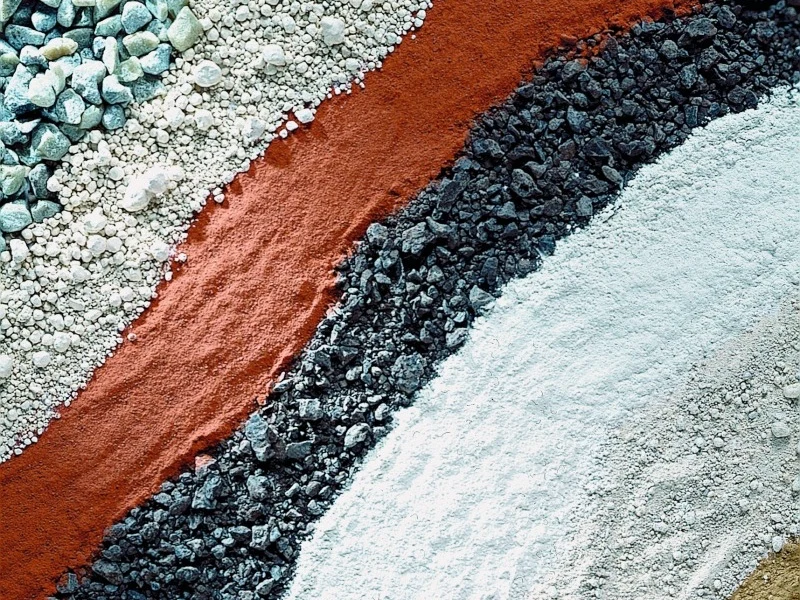
При планировании оптовая поставка фарфоровой посуды на заказ проекте, первым шагом является не разработка чертежей, а четкое определение “кто является конечным пользователем” и “в каких сценариях будет использоваться продукт”. Различные сценарии применения напрямую определяют материалы, тип фарфора, толщину, прочность, сложность обработки и даже окончательную структуру затрат.
1. Целевой рынок определяет уровень продукта
- Группы высококлассных отелей/ресторанов (HORECA)
Ориентируйтесь на долговечность, ударопрочность, возможность замены и стабильность поставок в долгосрочной перспективе. Подходит для высокотемпературного фарфора или упрочненного фарфора (фарфор/керамика/упрочненный фарфор).
- Домашние каналы розничной торговли (супермаркеты и электронная коммерция)
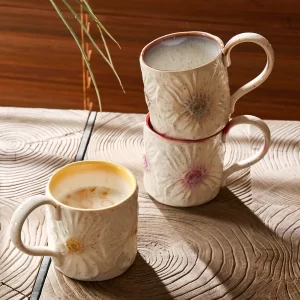
Сосредоточьтесь на дизайне, разнообразии SKU, упаковке и эффектах демонстрации. Подходит для художественных глазурей, специальных глазурей (обжигаемых в печи, наносимых распылителем), деколей и других процессов.
- Подарочные каналы и индивидуальные бренды
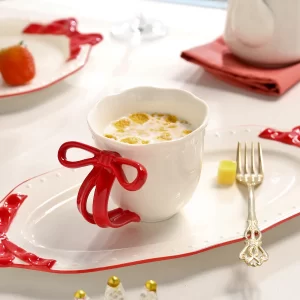
Акцент на уникальности и идентичности бренда. Предлагается наборная фарфоровая посуда различных форм, разработка индивидуальных форм и дизайн подарочных наборов.
2. Процесс может повлиять на разницу в стоимости на 30–70%.
- Декаль: подходит для массового производства, стабильные цвета, относительно экономичный вариант.
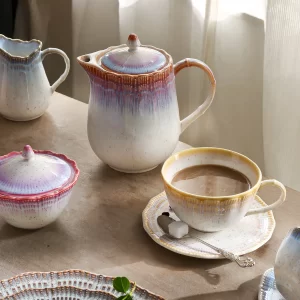
- Глазурь, изменяющаяся при обжиге: очень уникальна, но разницу в цвете трудно контролировать, что требует более высоких стандартов контроля качества.
- Ручная роспись глазурью: высокохудожественная, но значительно увеличивает стоимость.
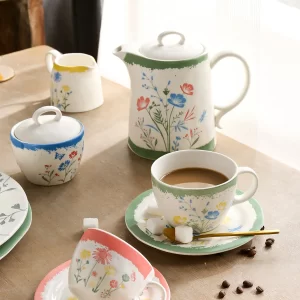
3. Пример: различия в коэффициентах потерь между различными цветами глазури
| Тип процесса | Коэффициент выхода серийного производства | Основные характеристики |
|---|---|---|
| Обычная глазурь (белая / однотонная) | 95%–98% | Стабильное качество, идеально подходит для крупномасштабного производства |
| Матовая глазурь | 90%–95% | Превосходные тактильные ощущения, но более подвержены царапинам |
| Специальная глазурь для обжига в печи | 80%–90% | Очень характерный внешний вид, требует тщательной оценки цветовых вариаций и стоимости. |
Оценка производственных мощностей поставщиков и потенциала OEM/ODM
При выборе поставщика для массовой индивидуализации, особенно для Оптовая продажа фарфоровой посуды на заказ, Общая мощность завода, оборудование, опыт квалифицированных работников и конструкторские возможности напрямую влияют на сроки поставки и стабильность качества продукции.
1. Основные различия в возможностях между OEM/ODM
- OEM (Original Equipment Manufacturer): Подходит для компаний, имеющих готовые разработки, которые требуют только стабильного массового производства.
- ODM (дизайн + производство): Подходит для инкубации брендов, клиентов каналов и компаний, занимающихся подарками.
Такие производители, как LovingHome, обладают обоими возможностями, что делает их более подходящими для B2B-клиентов, которым требуется быстрое внедрение образцов в массовое производство фарфоровой посуды на заказ.
2. Ключевые показатели для оценки способности завода к массовому производству
- Возможности по разработке форм (стандартные формы требуют 7–15 дней, сложные формы — 20–30 дней)
- Количество производственных линий (Стабильна ли суточная производительность одной производственной линии?)
- Имеет ли оно автоматизированное оборудование (например, автоматические машины для глазурования, интеллектуальные печи)
- Поддерживает ли он быстрое прототипирование (идеально, если образцы готовятся в течение 3–7 дней)
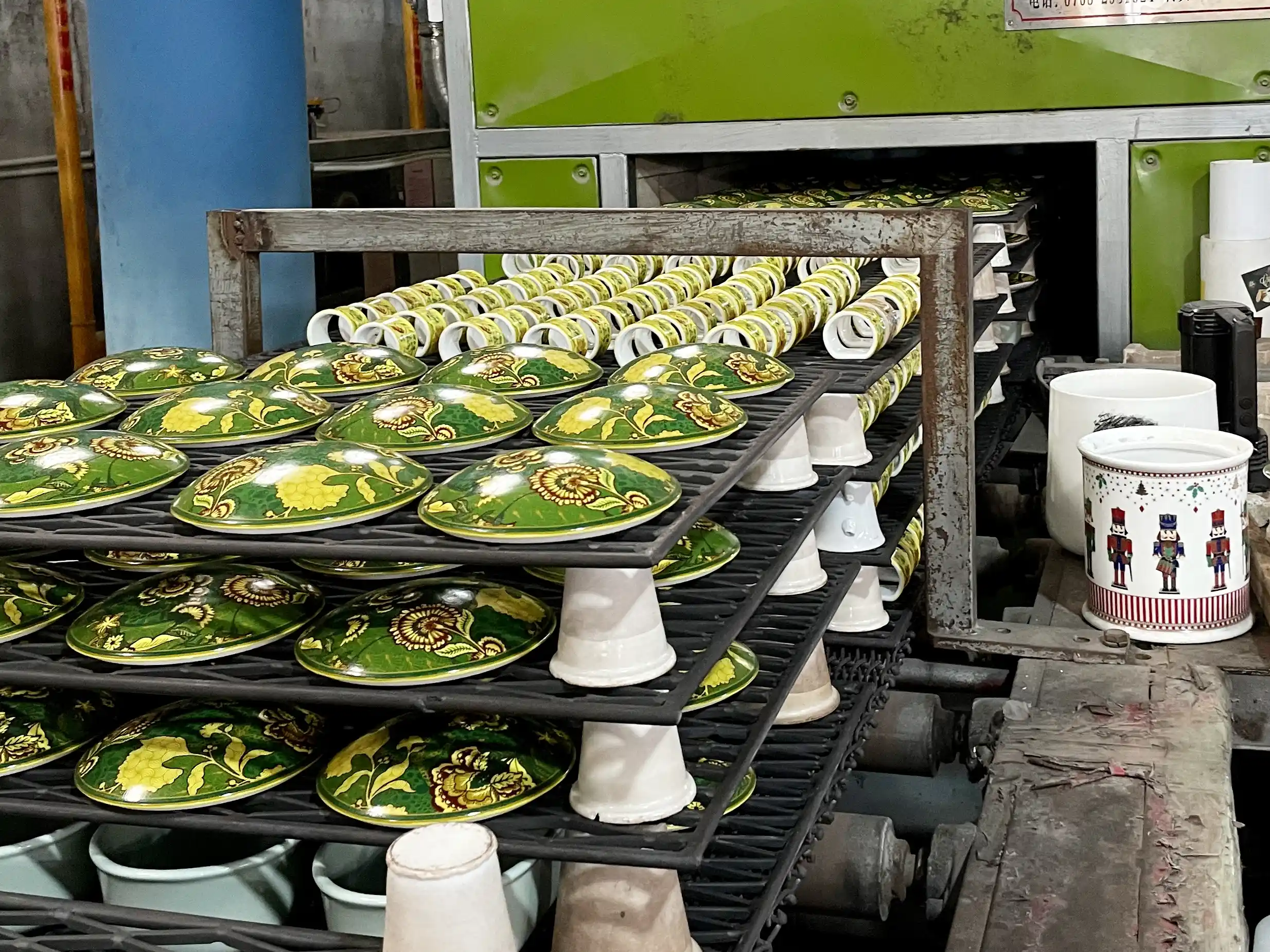
3. Пример из практики
Причины обычно связаны со следующим:
- Низкая однородность сырья (нестабильные партии глины)
- Большие колебания возраста и температуры печи
- Высокий уровень переделок из-за отсутствия процессов контроля качества
Выбор зрелого завода при заказе крупных партий фарфоровой посуды на заказ может снизить риски переделки и задержки как минимум на 15%–25%.
Согласованность дизайна и бренда: форма, цвет и упаковка должны планироваться одновременно
В Оптовая продажа фарфоровой посуды на заказ В проекте согласованность дизайна часто определяет окончательное признание рынком. Для брендов дизайн — это не отдельный товар, а комплексное, системное решение.
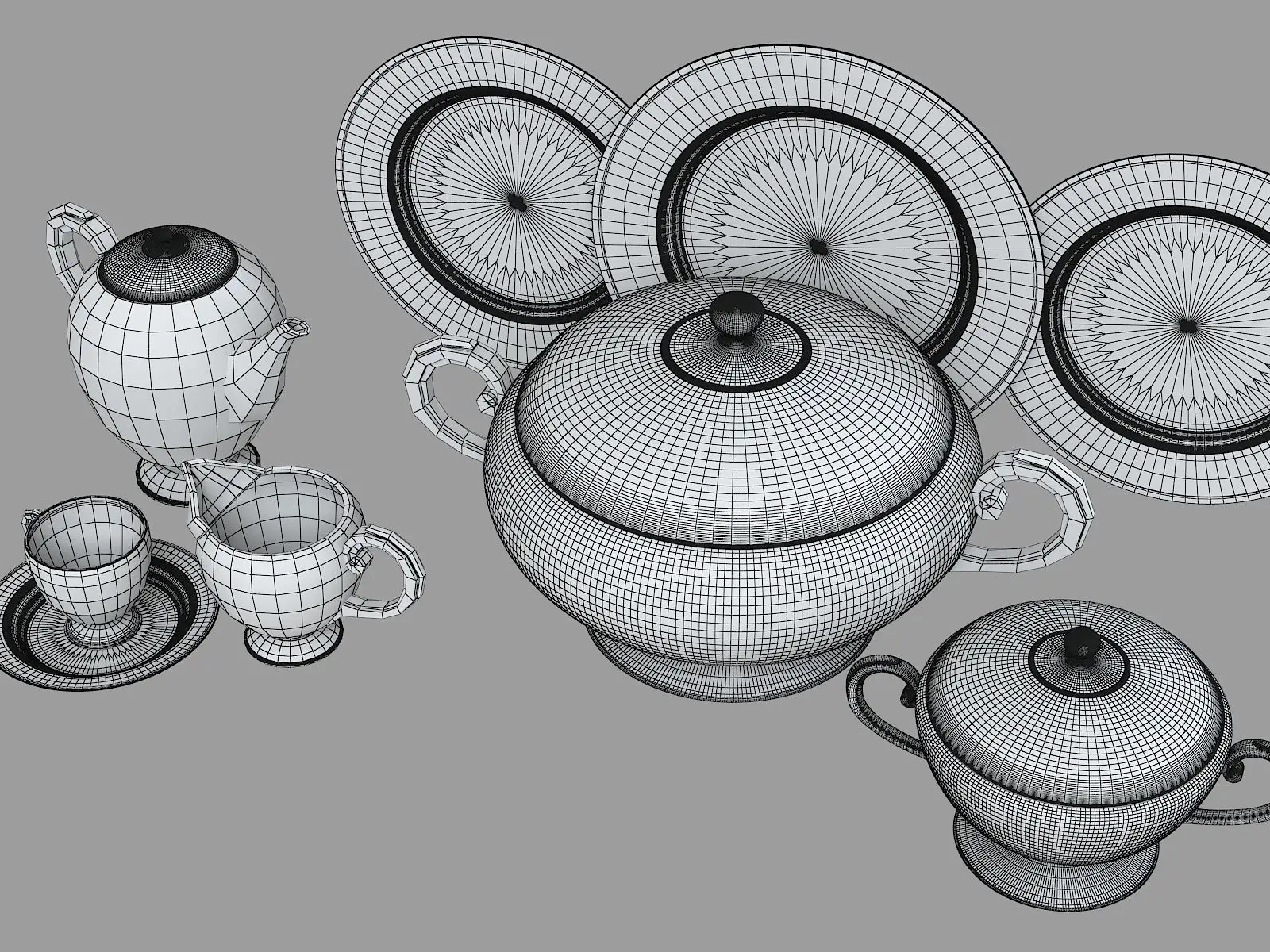
1. Форма определяет направление стиля
Общие направления формы включают:
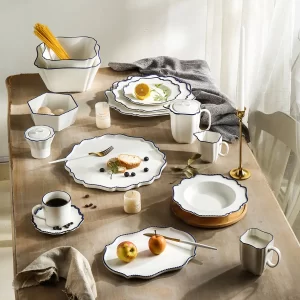
- Минималистичный скандинавский стиль (круглые, неглубокие тарелки, матовые цвета)
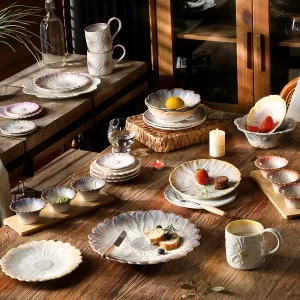
- Японский стиль ваби-саби (ручная работа, натуральные текстуры)
- Американский стиль столовой (прочный, высокопрочный, классический белый)
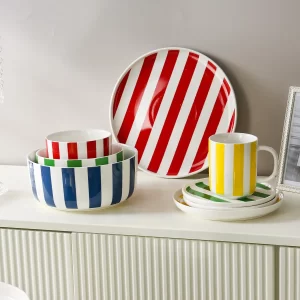
- Молодежная мебель для дома в цветовой тематике (большие цветовые блоки, яркие глазури)
2. Цвет требует учета “стабильности партии”
Оценить:
- Могут ли они предоставить “образцы цветовых маточных смесей”?
- Поддерживают ли они “единое тестирование источников света”?
- Может ли поставщик обеспечить разницу в цвете партии ΔE < 1,0?
3. Важность упаковки сильно недооценивается
Особенно при крупных экспортных заказах упаковка влияет на:
- Уровень повреждений при транспортировке
- Эффективность укладки на складе
- Эффект розничной выкладки
Система контроля качества: многоступенчатая проверка от сырья до готовой продукции
В Оптовая продажа фарфоровой посуды на заказ В процессе производства и доставки контроль качества является наиболее упускаемым из виду, но в то же время наиболее важным аспектом. Система контроля качества высокого уровня может эффективно снизить количество возвратов и уменьшить риски проекта.
1. Стабильность качества сырья
- Глина и глазурь должны поставляться из стабильной цепочки поставок.
- Для каждой партии требуется проведение базовых испытаний (например, на вязкость, влажность, коэффициент усадки).
- Можно запросить сертификаты безопасности материалов (FDA, LFGB).
2. Ключевые точки контроля качества в производственном процессе
Стандартный процесс изготовления фарфоровой посуды на заказ включает как минимум:
- Проверка сырья (деформация, пузырьки)
- Измерение толщины глазури (стандарт 0,3–0,5 мм)
- Испытание на высокотемпературную обжига (1250–1300 ℃)
- Испытание готового изделия на холодо- и теплостойкость (отсутствие трещин при испытании с чередованием горячей и холодной воды)
- Испытание на миграцию свинца и кадмия (необходимо для сертификации контакта с пищевыми продуктами)
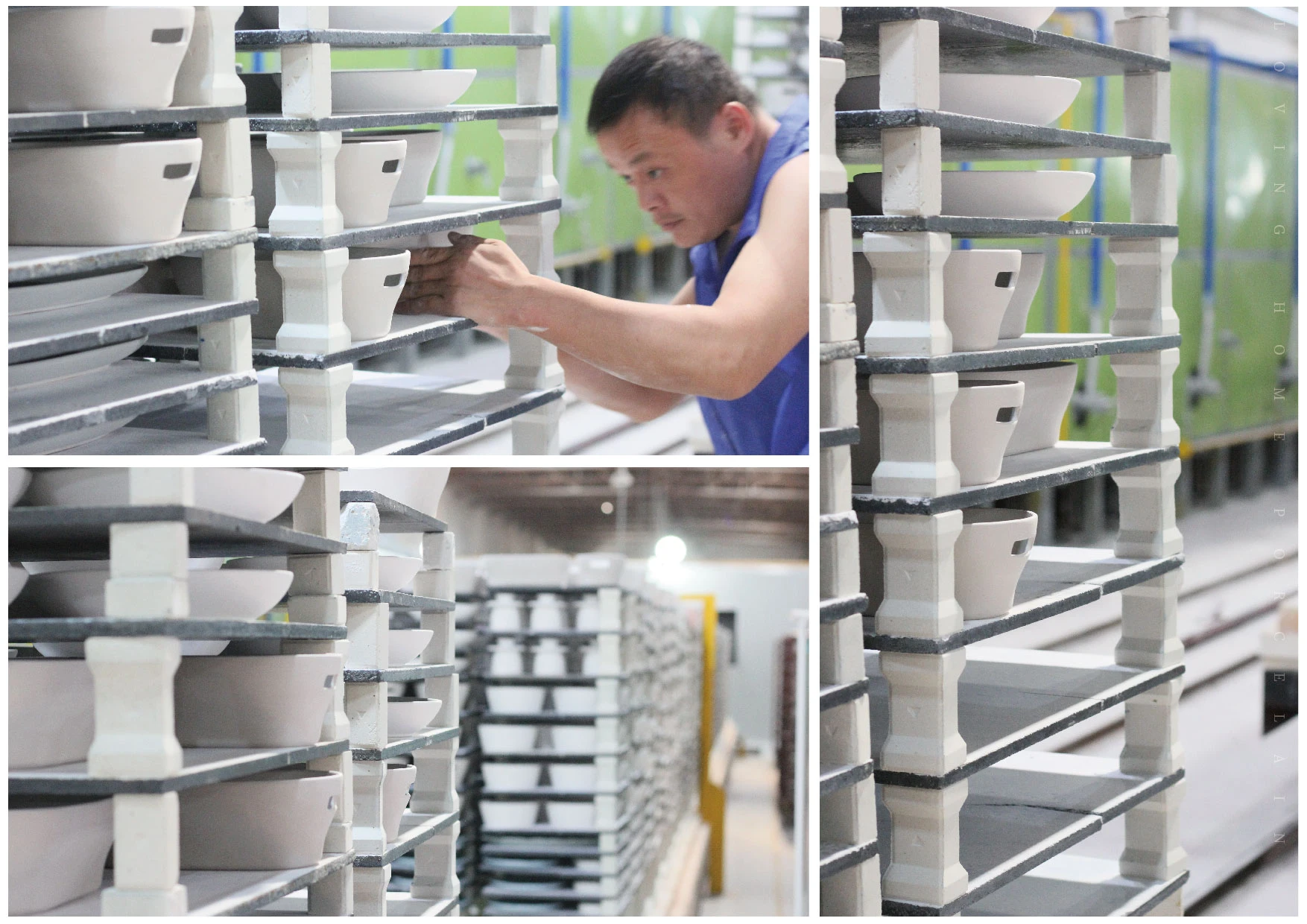
Минимальный объем заказа, сроки доставки и оптимизация бюджета: ключевые факторы, влияющие на эффективность закупок
Большинство покупателей B2B при закупке оптовых партий фарфоровой посуды на заказ в первую очередь интересуются минимальным объемом заказа, сроками доставки и окончательной стоимостью.
1. MOQ (минимальный объем заказа)
Минимальный объем заказа значительно варьируется в зависимости от сложности процесса:
- Простая белая глазурь: 1000–2000 штук
- Наклейка: 2000–3000 штук
- Специальная глазурь: 3000–5000 штук
Совет: Если ассортимент продукции очень широк, можно использовать подход “смешанного контейнера”, чтобы снизить давление MOQ на каждую позицию.
2. Время выполнения заказа
- Изготовление формы: 7–20 дней
- Отбор проб: 5–10 дней
- Массовое производство: 35–55 дней
- Упаковка и проверка: 3–7 дней
Общий цикл обычно составляет 60–90 дней; в пиковые сезоны необходимо заранее планировать.
3. Как снизить затраты, обеспечив при этом качество?
- Выбор существующих форм от поставщиков может сэкономить от $500 до $2000 на изготовлении форм.
- Использование стандартных глазурей позволяет сократить производственные отходы.
- Рассмотрите возможность использования упаковочных коробок с более высокой эффективностью штабелирования.
- Минимизируйте “ручные процессы”, чтобы снизить долю затрат на рабочую силу.
Заключение
Когда речь заходит о массовом производстве оптовая поставка фарфоровой посуды на заказ, Покупатели должны учитывать различные аспекты, включая качество материалов, производственные возможности завода, согласованность дизайна, систему контроля качества, минимальный объем заказа и сроки доставки. Проблемы, включая переделку, хаотичное увеличение бюджета и задержку доставки, можно предотвратить только с помощью систематического планирования с самого начала проекта, что также позволит обеспечить конкурентоспособность конечного продукта на рынке. Выбор производителя, имеющего опытные команды дизайнеров, превосходные производственные возможности и комплексные проверки качества, позволит компаниям значительно повысить эффективность разработки и успех на рынке.
О LovingHome
Основана в 2004 году, LovingHome является профессиональным производителем, специализирующимся на фарфоровая посуда, кухонные принадлежности и предметы интерьера. Благодаря сильной команде дизайнеров, всестороннему Услуги OEM/ODM Благодаря передовой технологии производства, инновационным материалам и строгим процессам контроля качества, LovingHome ежегодно поставляет инновационные продукты и комплексные решения по индивидуализации для сотен брендов и оптовых покупателей по всему миру. Мы всегда придерживаемся философии “равного внимания к эстетике и практичности”, гарантируя, что каждый набор фарфоровой посуды становится превосходным произведением искусства, сочетающим в себе качество и дизайн.
Часто задаваемые вопросы
1. Всегда ли необходимо изготовление форм для массового производства фарфоровой посуды на заказ?
Не обязательно. Если вы выберете существующую форму с завода, вам нужно будет только изменить цвет, узор и упаковку, что позволит сэкономить на изготовлении формы и времени на производство большого количества фарфоровой посуды на заказ.
2. Приведет ли производство большого количества наклеек к различиям в цвете?
Опытные поставщики используют цифровую трансферную печать или высокотемпературные наклейки, обычно контролируя разницу в цвете до ΔE < 1,0, что соответствует стандартам супермаркетов и электронной коммерции.
3. Как контролировать повреждения при транспортировке крупных заказов?
Вы можете попросить завод провести имитационные испытания на падение и использовать двухслойный гофрированный картон, перловый хлопок или индивидуальные паллеты из формованной целлюлозы, что позволит снизить уровень поломок до уровня ниже 0,1%.