Choosing porcelain dinnerware often focuses on design and color, while weight—or the lack of it—is frequently overlooked. Yet the ideal weight of porcelain dinnerware influences far more than functionality: it affects handling, storage, perceived quality, thermal shock resistance, and the overall dining experience.
If dinnerware is too heavy, it can feel cumbersome and difficult to store. If it’s too light, it may feel flimsy or inexpensive and potentially compromise performance. As a ceramic tableware company with nearly 20 years of experience, LovingHome understands that achieving the ideal weight is a balance of design, material, and functionality—a form of design innovation.
This guide walks you through the “not too heavy, not too light” solution to help you elevate every meal with perfectly balanced dinnerware.
1. Understand Standards: What Is an Ideal Weight for Porcelain Dinnerware?
Generally, the ideal weight for a standard 10-inch (≈25 cm) porcelain dinner plate falls between 450–700 grams. This industry-standard range reflects years of manufacturing experience.
- Fine Dining / Upscale Sets:
Typically 600–700 g for a premium, substantial “in-hand” feel. - Casual / Everyday Dinnerware:
Lighter at 450–550 g for ease of handling and daily use.
What Determines Weight?
Weight is directly related to:
- Body thickness
- Glaze technique
- Forming method
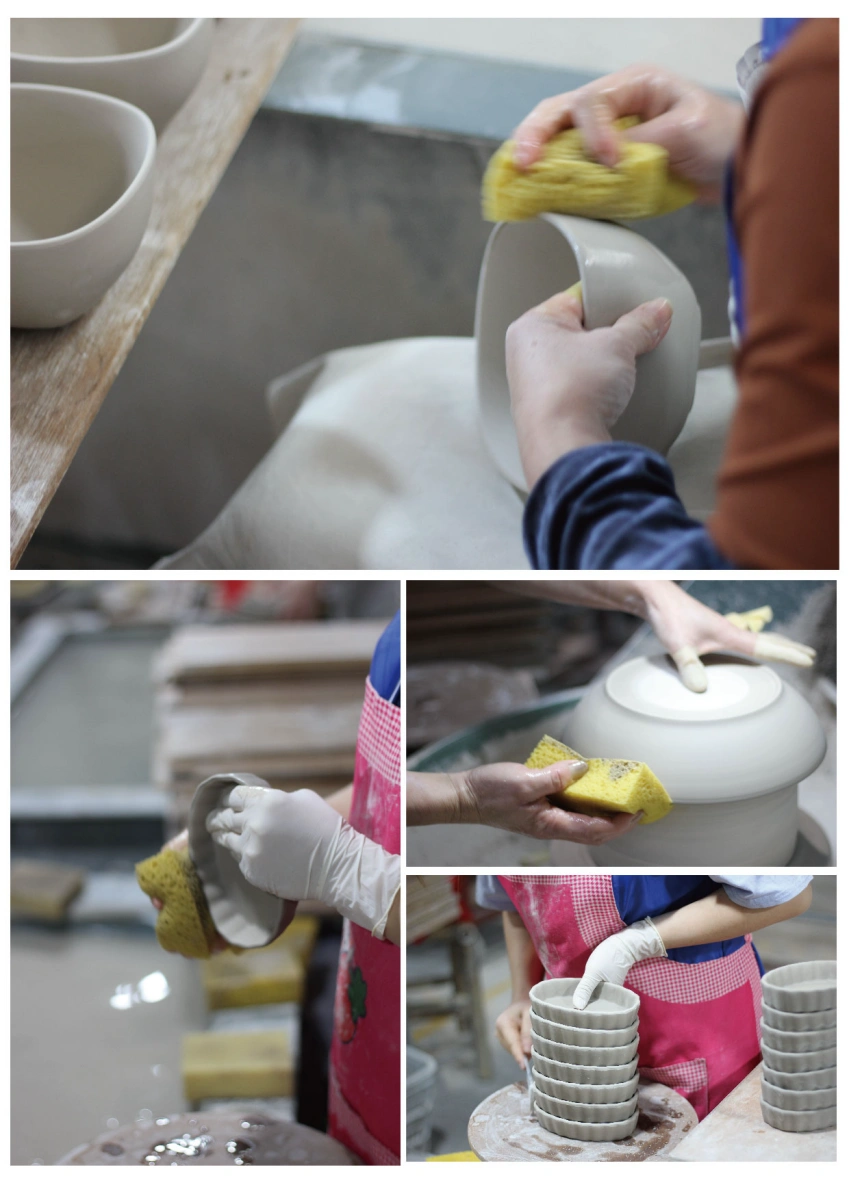
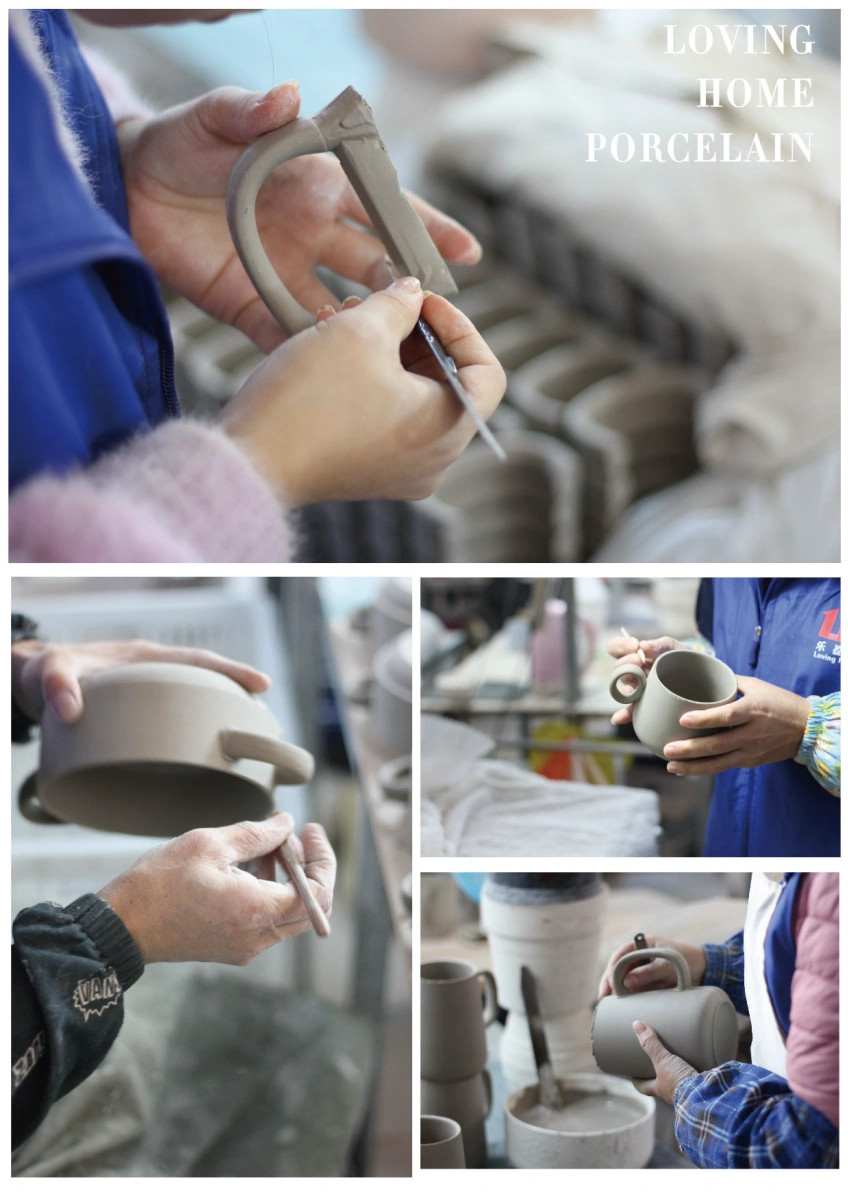
Advanced processes like slip casting or isostatic pressing enable precise control of thickness, ensuring balance. In ODM projects, LovingHome fine-tunes clay composition and firing schedules to meet market-specific weight preferences.
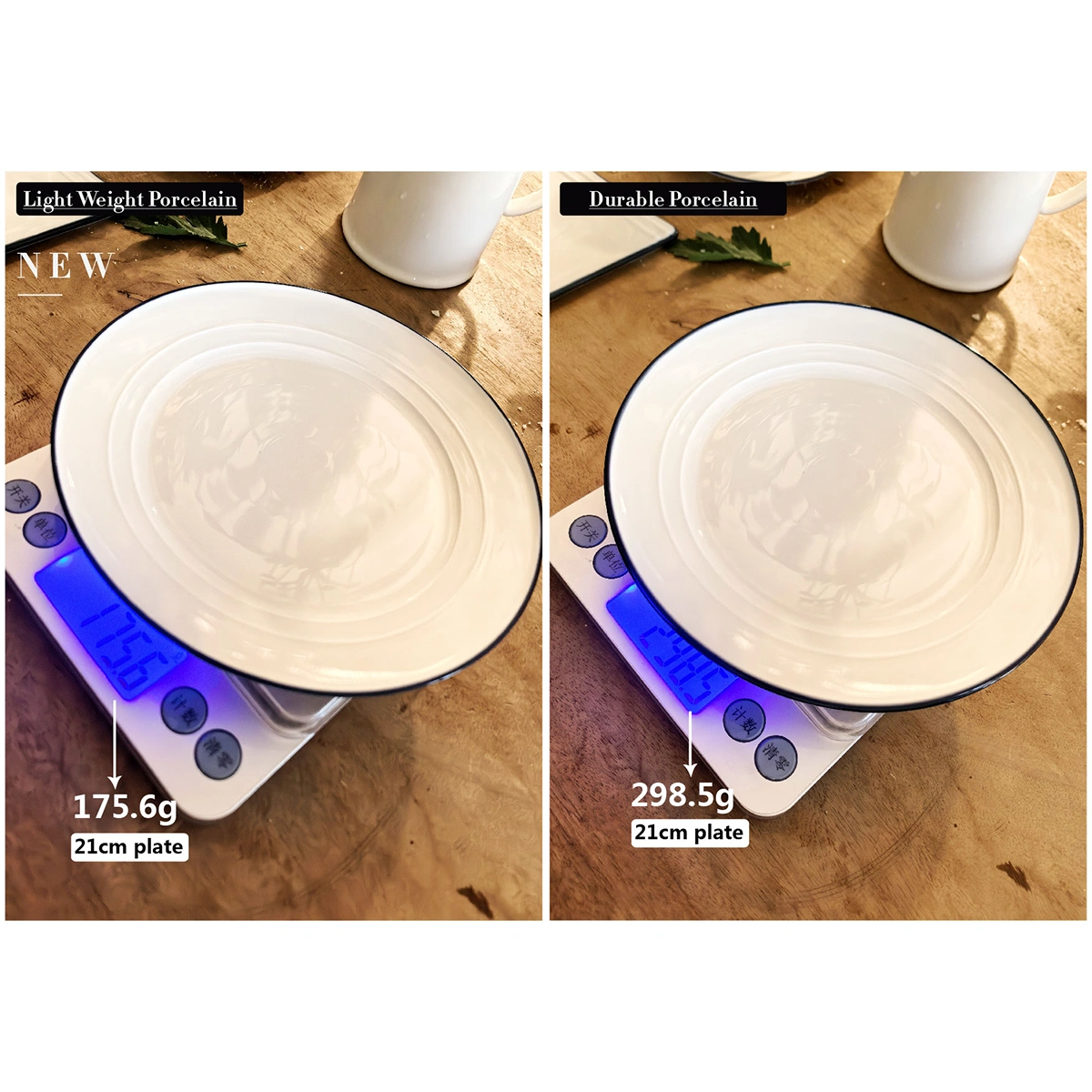
2. Weight vs. Performance: The Truth About Durability and Functionality
A common misconception is: “Heavier equals more durable.”
In porcelain dinnerware, durability depends more on:
- Raw material purity
- High firing temperatures (≥1200°C)
- Micro-density
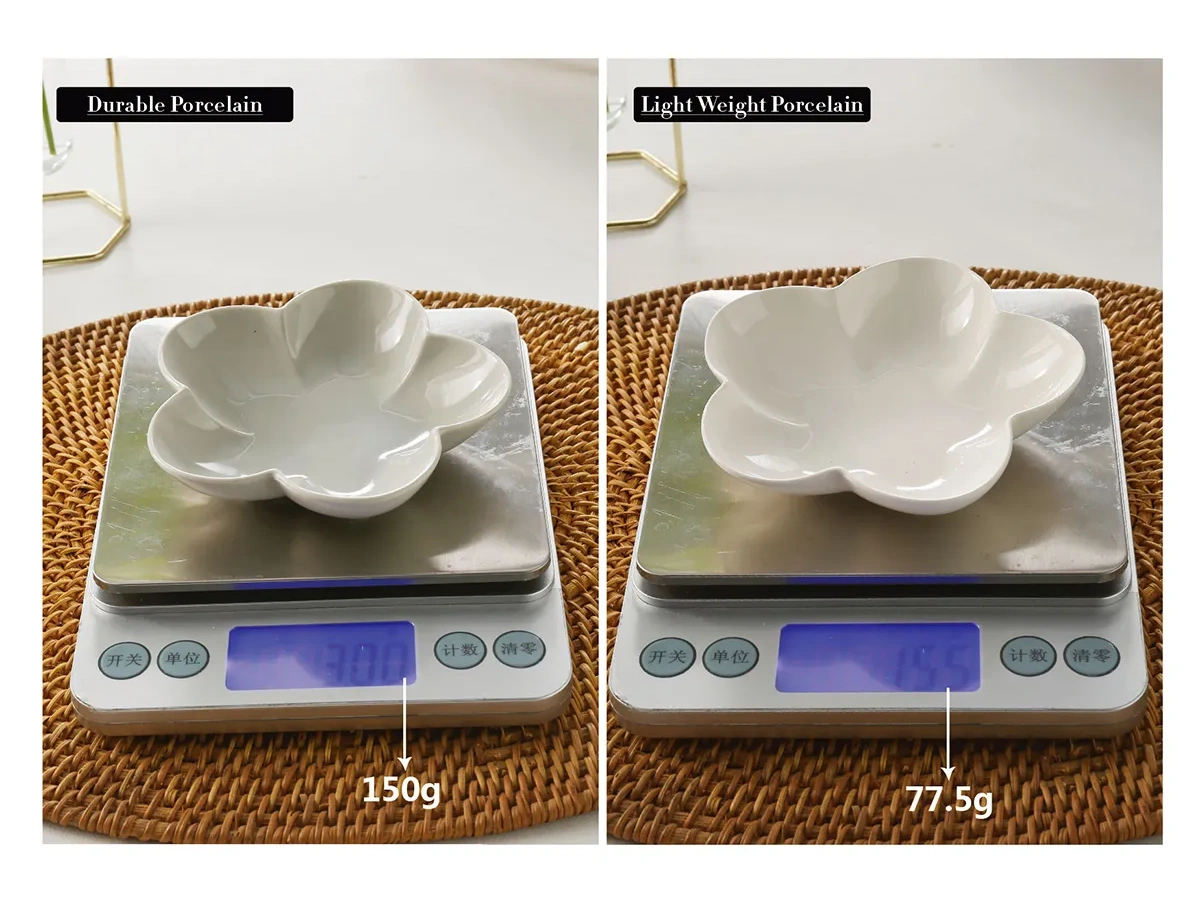
Lightweight, high-quality porcelain can still deliver excellent chip resistance and thermal shock resistance.
How Weight Affects Use
- Heavier pieces
- More stable on tablecloths
- Less likely to shift during washing
- Ideal for formal settings
- Lighter pieces
- Easier to handle
- Better for seniors, children, and high-turnover service
Tip: Always verify that products pass stringent quality control, including microwave and dishwasher safety.
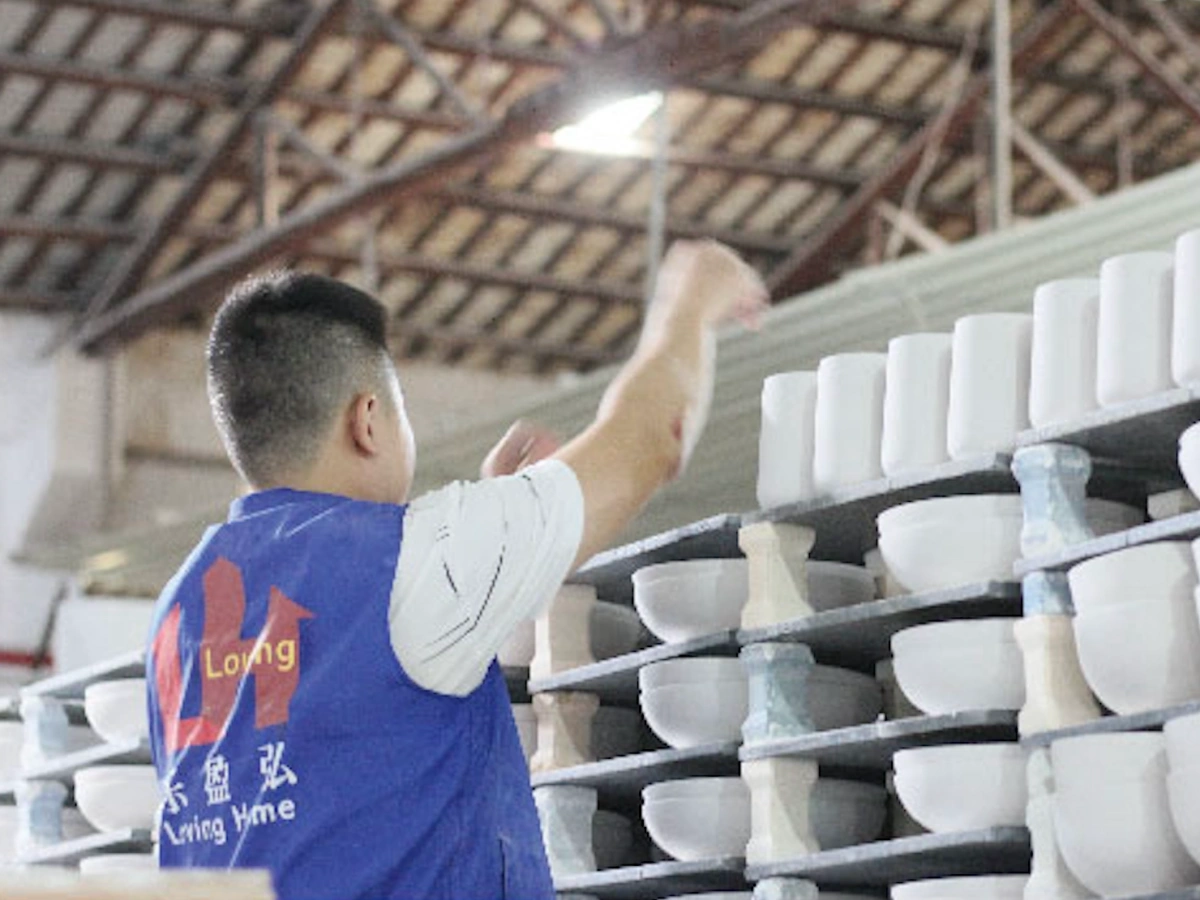
3. Hand-Feel & Experience: How Weight Shapes Dining Perception
User experience is central to determining the ideal weight. From a psychological perspective, weight influences perceived quality. A well-balanced soup bowl, for example, can subtly enhance the entire meal.
What Makes Good Hand-Feel?
- Balanced weight distribution
- Thin yet reinforced rims
- Comfortable grip points
At LovingHome, ergonomic simulations and hands-on sample evaluations ensure each piece feels natural, stable, and premium—without unnecessary heaviness.
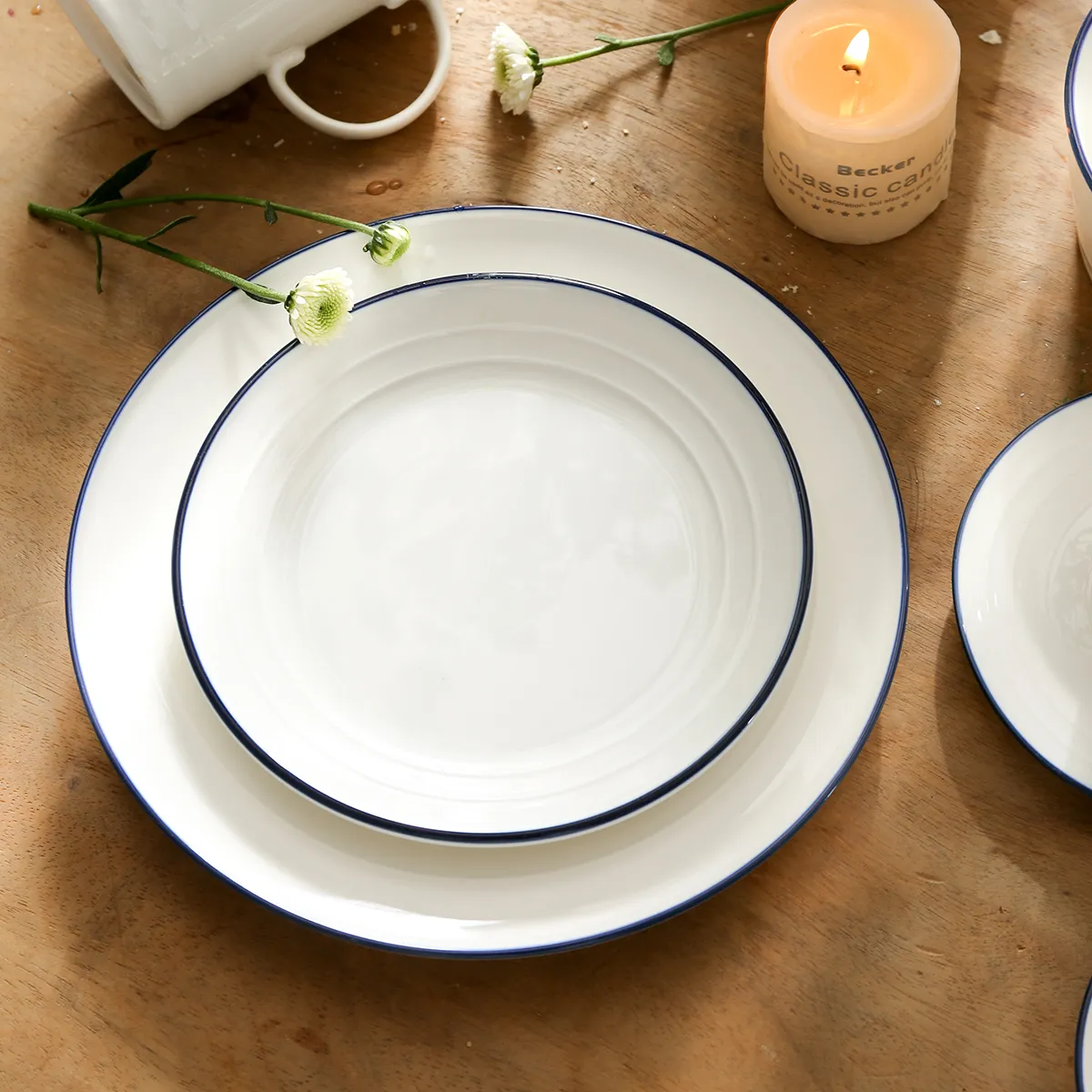
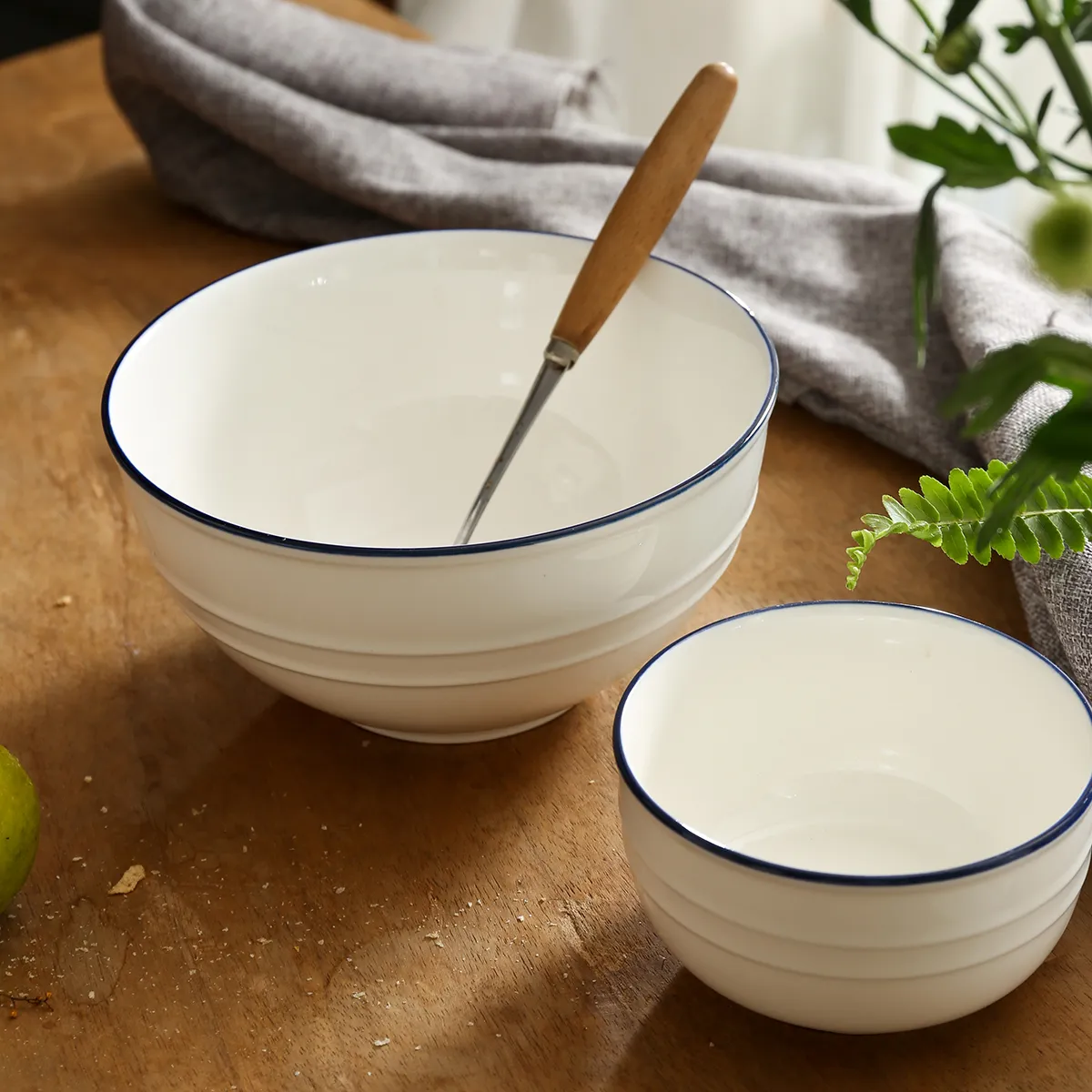
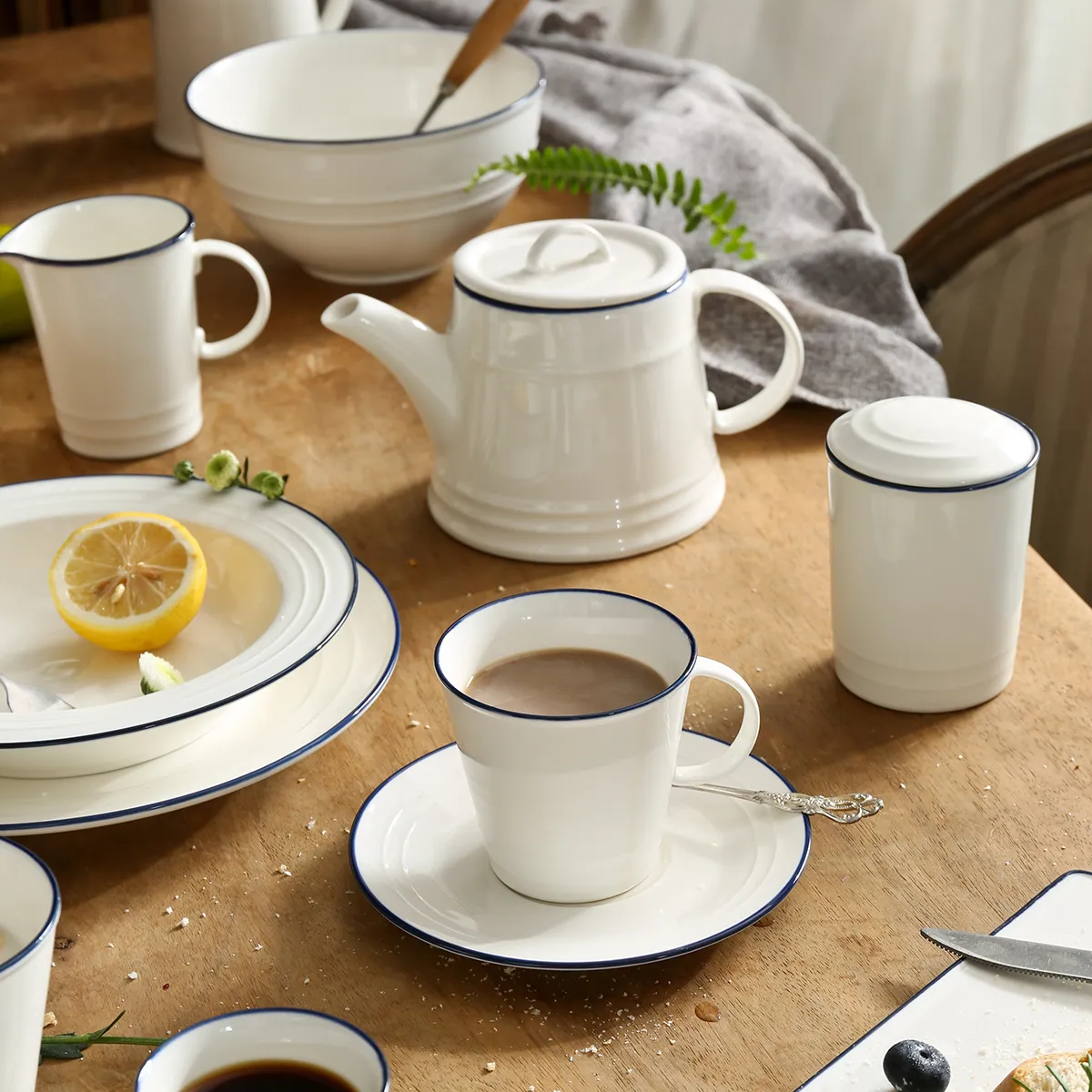
4. Style & Occasion: Matching Weight to Different Table Settings
Porcelain dinnerware weight should align with occasion and ambiance:
- Formal Dining / Banquets
- Heavier porcelain for a sense of grandeur and permanence
- Casual Dining / Home Use
- Lighter pieces for comfort and everyday practicality
- Cafés & Brunch Settings
- Plates around ~400 g to reduce staff fatigue and improve efficiency
In OEM/ODM development, LovingHome researches end-user scenarios—from luxury hotel restaurants to home décor—to specify the most suitable weight and performance characteristics.
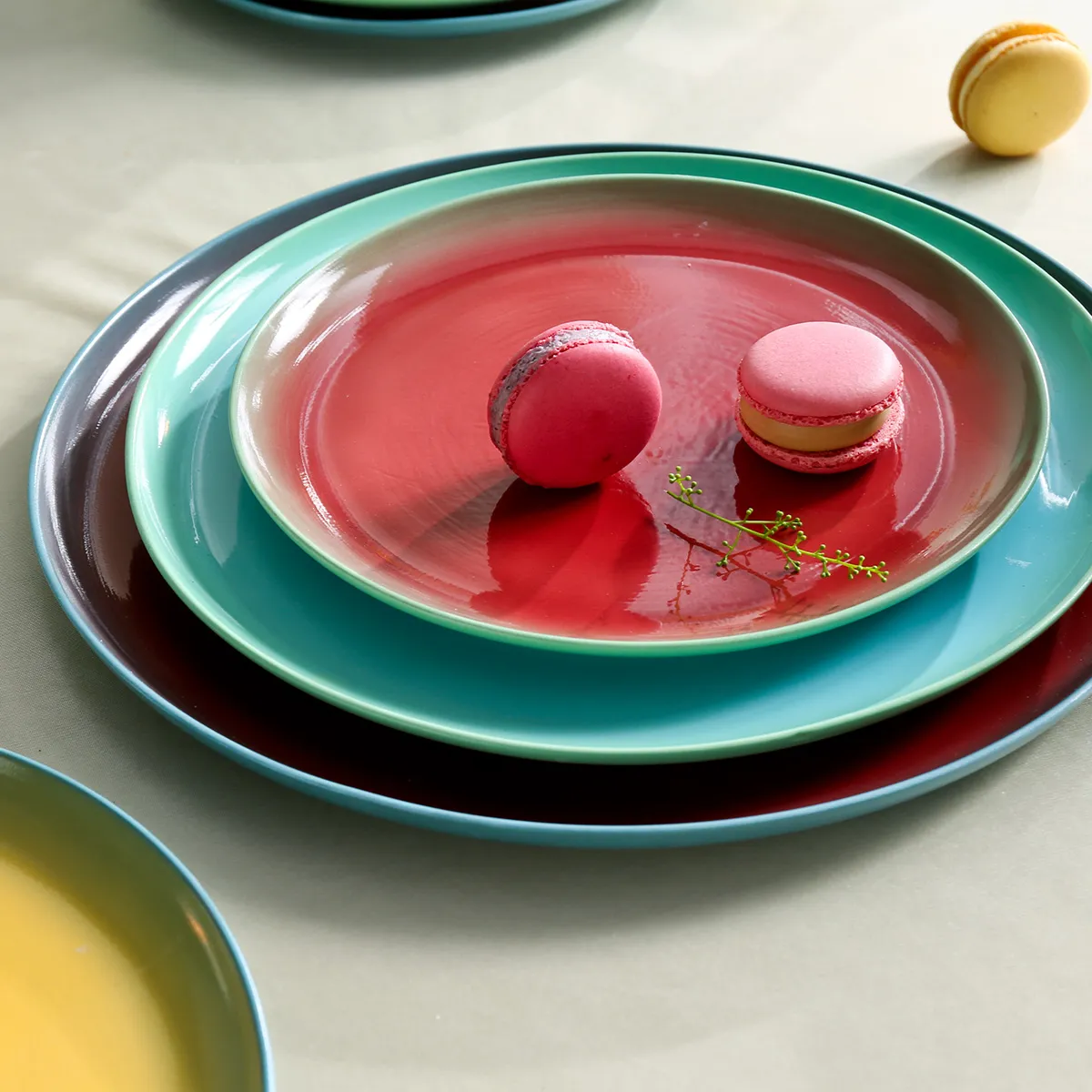
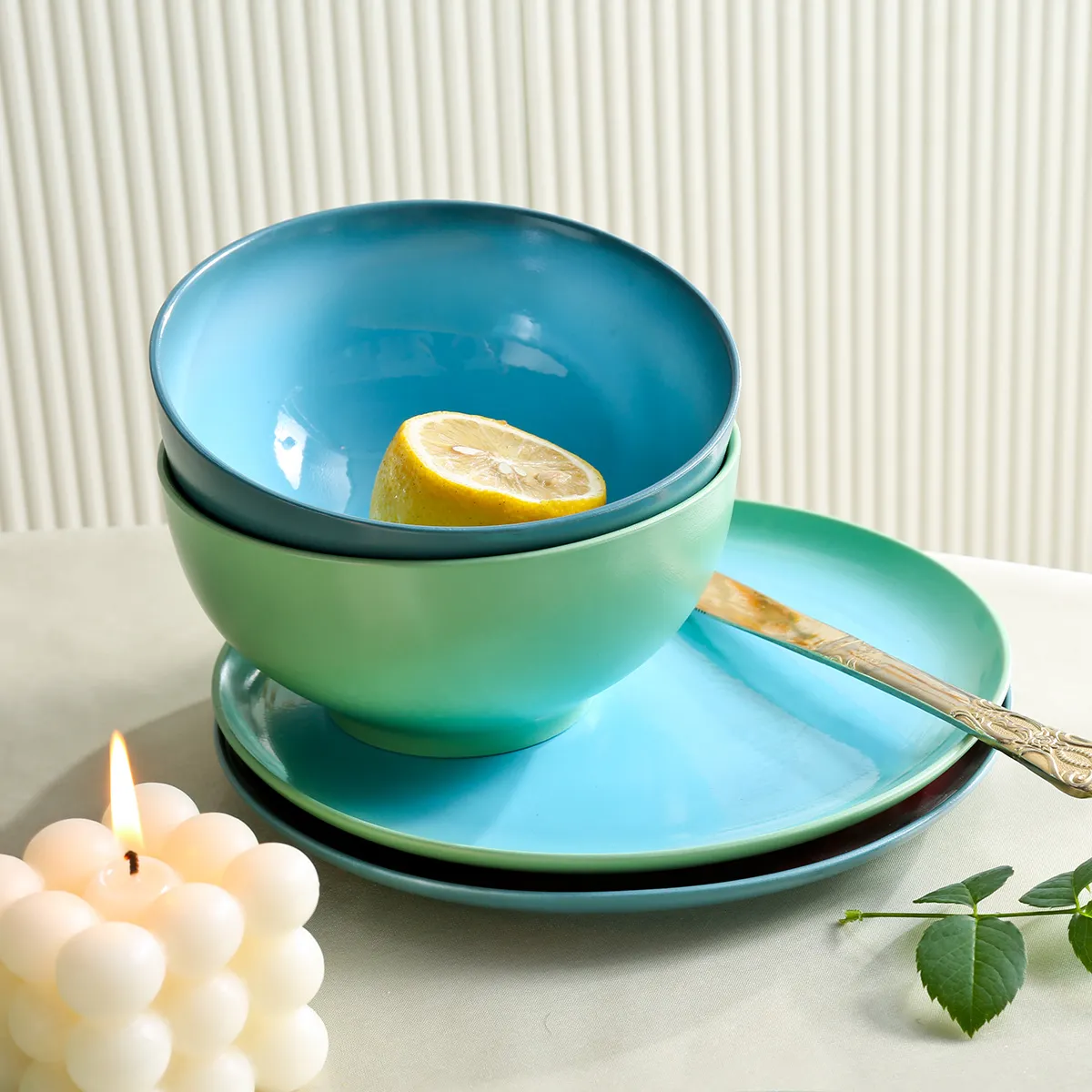
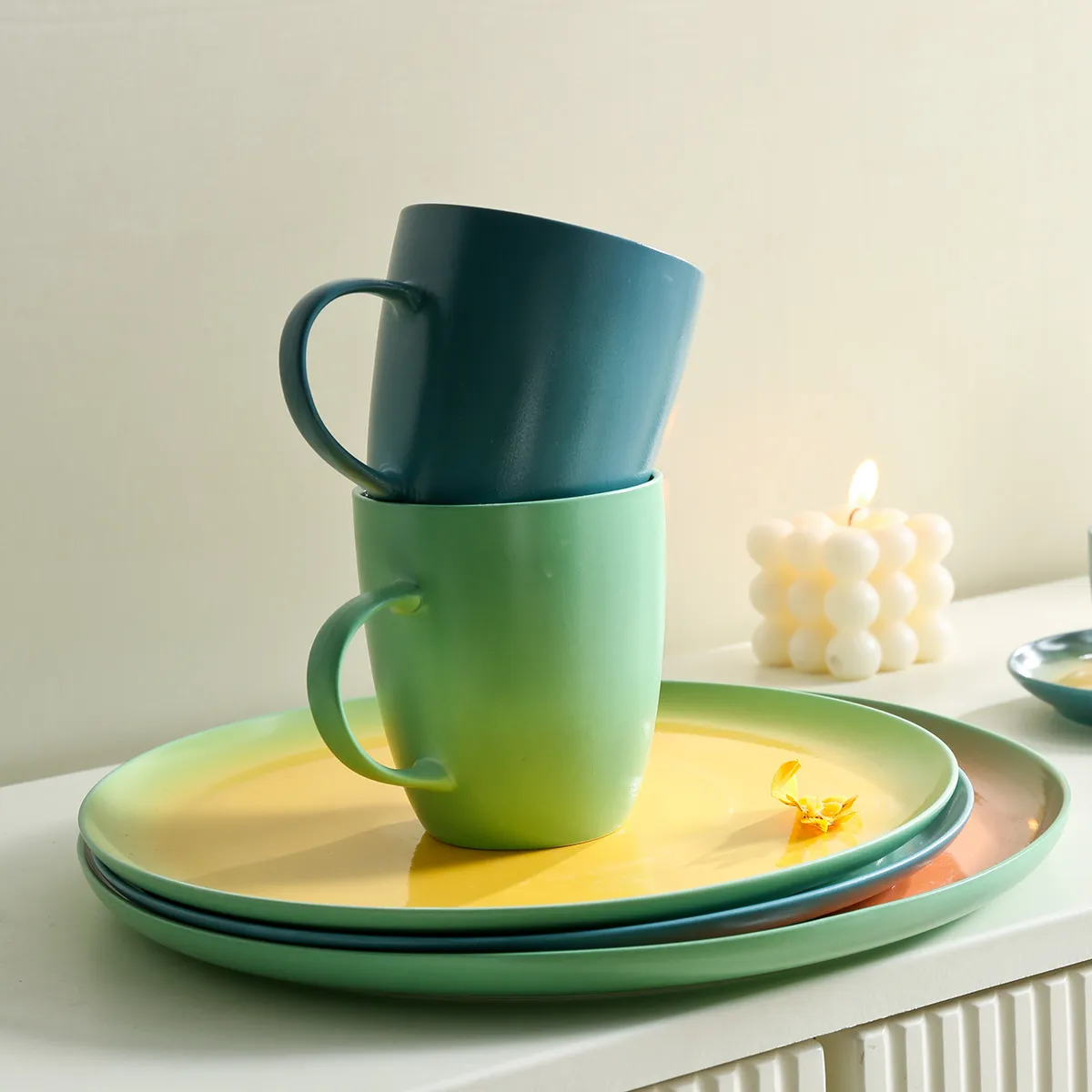
5. Shopping Tips: How to Choose the Right Porcelain Dinnerware Weight?
Online Shopping
- Look for per-piece weight specifications
- Check reviews for mentions of hand-feel, balance, and durability
- Trust manufacturers that provide detailed technical descriptions
In-Store Experience
- Pick up the plate and assess balance
- Simulate real use (stacking, carrying, placing on a table)
- Choose what feels stable and comfortable—not just what looks good
Final Takeaway
The ideal porcelain dinnerware weight is about balance—between elegance and usability, strength and comfort. When weight is thoughtfully engineered, it enhances not only performance but also the entire dining experience.
If you’re sourcing porcelain dinnerware for retail, hospitality, or custom projects, partnering with an experienced manufacturer–LovingHome— makes all the difference.