High-fire porcelain (fired at 1380°C) offers superior durability. Explore the physical differences—specifically regarding water absorption and strength—between high-fire and mid-fire ceramics.
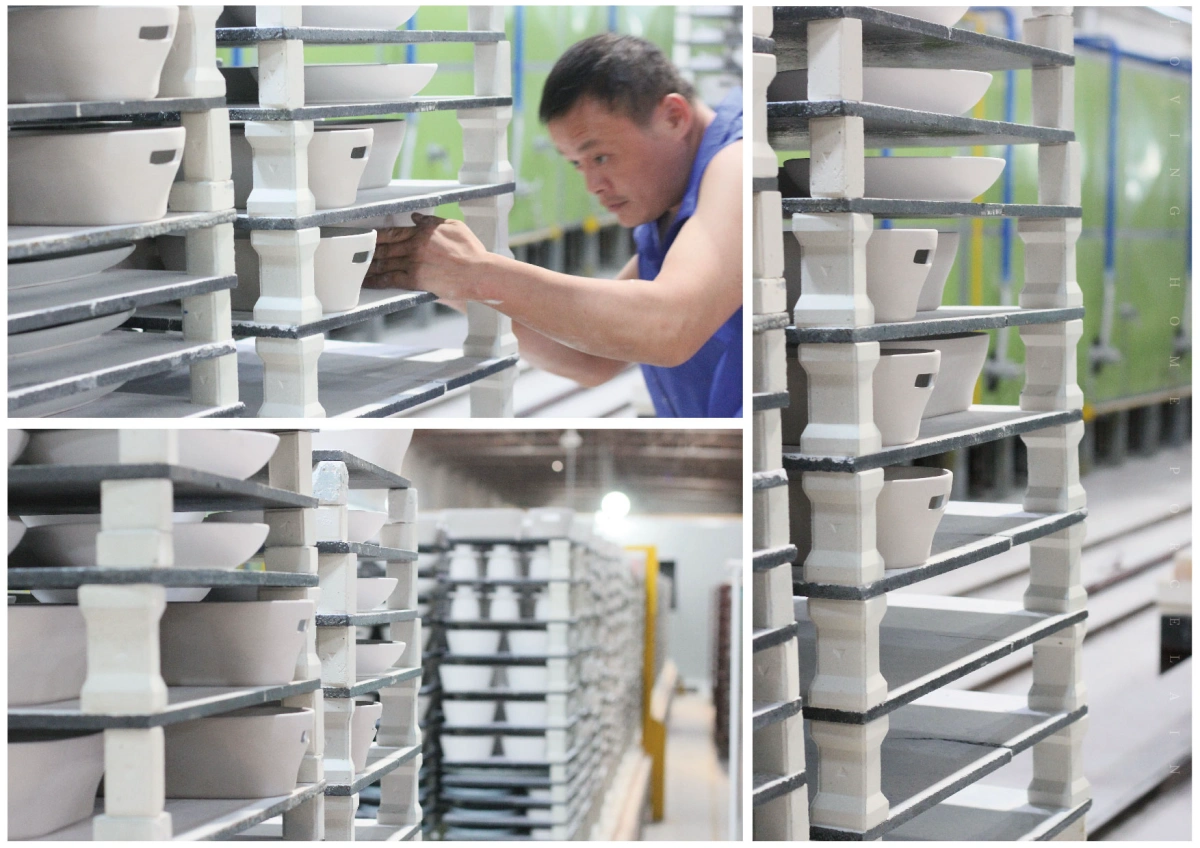
From Greenware to Finished Product: Analyzing the Impact of 1380°C High-Temperature Firing on Ceramic Durability
For businesses making ceramic procurement decisions, “durability” is not merely a marketing buzzword; it represents a series of quantifiable engineering metrics. For hotel chains, major supermarkets, or brand distributors, the physical properties of ceramics directly impact breakage rates, hygiene compliance, and long-term operational costs. The critical factor that determines these metrics is the firing temperature.
Como fabricante profesional de vajillas de cerámica, LovingHome is committed to utilizing a 1380°C high-temperature firing process. In this article, by comparing the physical property differences between 1380°C High-Fire Porcelain and common Mid-Fire Ceramics, we reveal the technical core that defines high-end porcelain.
I. Crystal Structure and Hardness: The Depth of Mullitization
During the ceramic firing process, 1380°C marks a critical physicochemical inflection point. At this temperature, the aluminosilicates within the clay body undergo a complete transformation known as mullitization.
1380°C High-Fire Porcelain
The high heat promotes the extensive interweaving of needle-like mullite crystals within the porcelain body, creating a microscopic network structure akin to “reinforced concrete.” Its Mohs hardness typically reaches levels 6.5 to 7. This means that under rigorous daily use, stainless steel cutlery is unlikely to leave scratches on the glazed surface.
Mid-Fire Ceramics (1100°C – 1250°C)
Due to insufficient thermal energy, internal reactions remain incomplete, resulting in a loose crystalline lattice. Under a microscope, the body structure appears relatively porous; consequently, its flexural strength is typically 30% to 40% lower than that of high-fire porcelain, making it highly susceptible to chipping or cracking upon impact or accidental drops.
II. Water Absorption: The Industry Standard for Zero Porosity
Water absorption is a critical metric for assessing the density and hygienic quality of ceramics. In accordance with the international GB/T 3532-2022 standard and general industry consensus, high-end porcelain must maintain an extremely low water absorption rate.
High-Temperature Fired Porcelain (Water Absorption ≤ 0.1%)
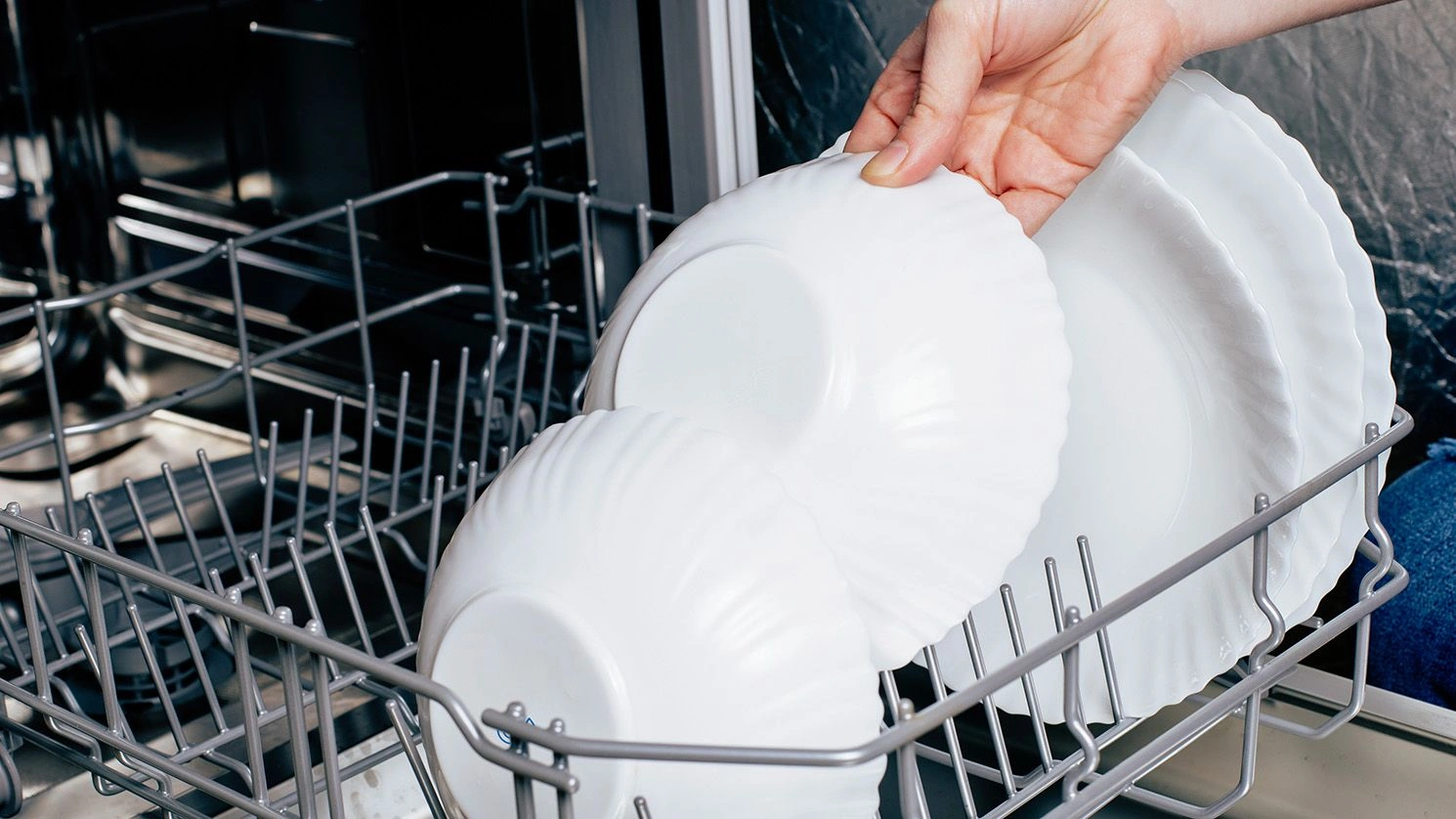
Firing at an extreme temperature of 1380°C causes the ceramic body to undergo complete vitrification. This state of near-zero porosity ensures that bacteria, grease stains, and chemical residues cannot penetrate the body material. For the hospitality industry, this guarantees that tableware remains free of lingering odors and discoloration—even after thousands of wash cycles—thereby meeting the rigorous food safety standards set by the FDA and LFGB.
Medium-Temperature Fired Porcelain (Water Absorption 0.5% – 3.0%)
A higher water absorption rate implies microscopic permeability. Over time, moisture seeps beneath the glaze layer, leading to the formation of fine surface cracks (known as “crazing”). This not only compromises the aesthetic appeal of the piece but also creates a breeding ground for bacteria.
III. Thermal Expansion Stability: Thermal Shock Resistance
B2B buyers must consider performance in dishwashers, microwaves, and ovens.
At 1380°C, the glaze and the body fuse together within a high-temperature environment, forming an intermediate bonding layer merely a few microns thick. This state of “glaze-body integration” enables the product to maintain structural stability even when subjected to thermal shock ranging from 20°C to 200°C. In contrast, medium-temperature ceramics are highly susceptible to stress cracks during rapid heating or cooling, owing to the poor match between the thermal expansion coefficients of the glaze and the body.
IV. Chemical Stability and Corrosion Resistance
Prolonged use of professional-grade detergents—which are typically strongly alkaline—can cause chemical erosion of porcelain surfaces.
The silicate-glassy surface, formed through high-temperature firing at 1380°C, possesses exceptional resistance to acids and alkalis. In laboratory immersion tests using a 4% acetic acid solution, the leaching levels of lead and cadmium in this high-fired porcelain remained far below international regulatory limits (such as those mandated by California’s Prop 65); moreover, the glaze retains its original luster and finish even after enduring 5,000 cycles in a commercial dishwasher.
LovingHome — Your High-Fire Porcelain Partner
Providing practical yet aesthetically pleasing ceramic solutions for clients worldwide.
Established in 2004, LovingHome is a leading Chinese manufacturer of ceramic tableware and home decor. With over 20 years of experience, we transform the technical advantages of 1380°C high-fire porcelain into real business value for our partners.
What We Offer
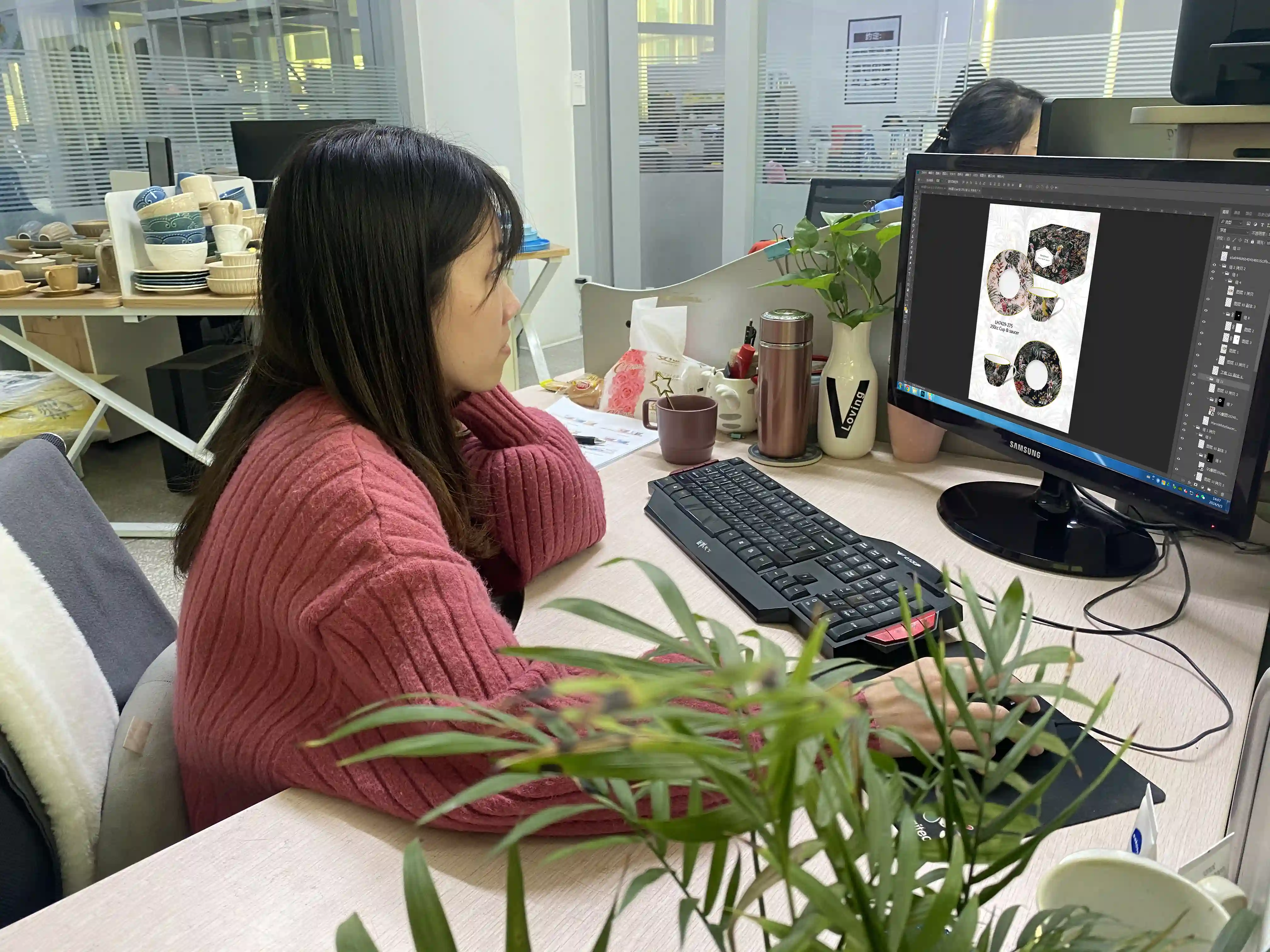
- OEM/ODM Project Support
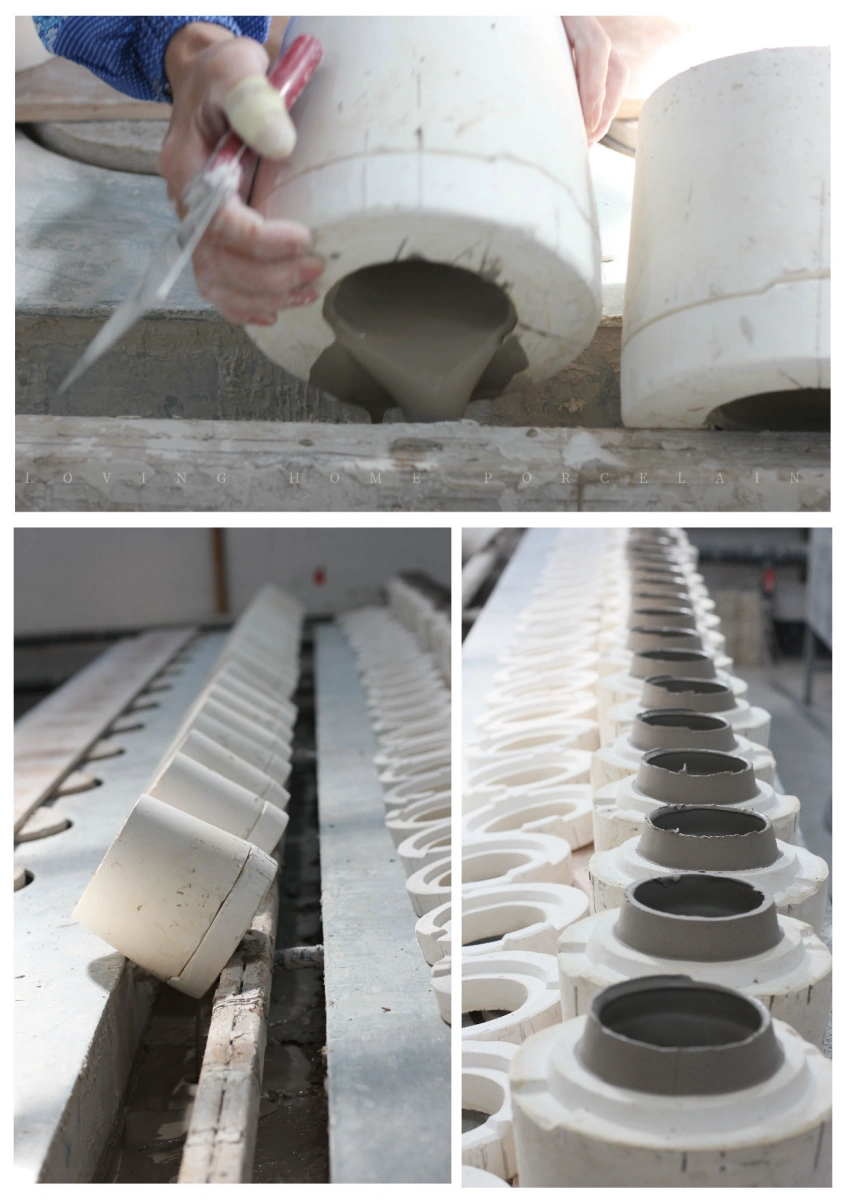
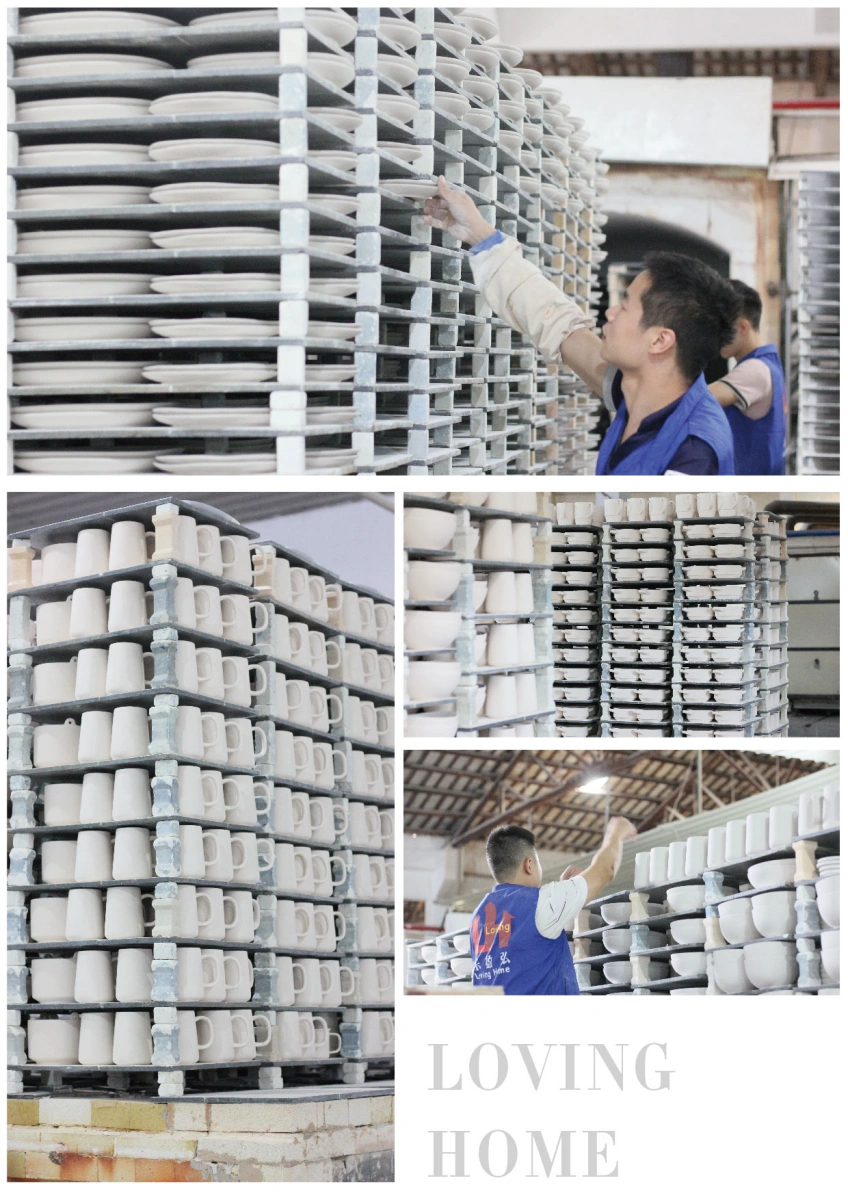
From concept design to final high-temperature firing, with strict quality control at every stage - Competitive Wholesale Pricing
Optimized supply chain ensures premium quality with cost efficiency - Diverse Product Portfolio
Includes tableware, kitchenware, and modern home decor
Póngase en contacto con nosotros
Partner with LovingHome today to develop customized ceramic solutions that elevate your brand and reduce long-term operational costs.