In recent years, lightweight dinnerware has shifted from a niche design concept to a clear commercial trendacross retail, hospitality, and private-label markets.
For B2B buyers, lightweight dinnerware is no longer just about user comfort—it delivers measurable business value:
- Lower logistics and shipping costs
- Reduced breakage during transport and daily use
- Better handling for hospitality staff and end users
- Strong appeal in modern, minimalist retail positioning
As a professional ceramic lightweight dinnerware manufacturer with OEM/ODM capabilities, we see growing demand from importers, brands, and project buyers seeking durable lightweight dinnerware solutions that can be customized and scaled reliably.
This guide explains what B2B buyers should evaluate when sourcing lightweight dinnerware in 2025—and how to choose the right manufacturing partner.
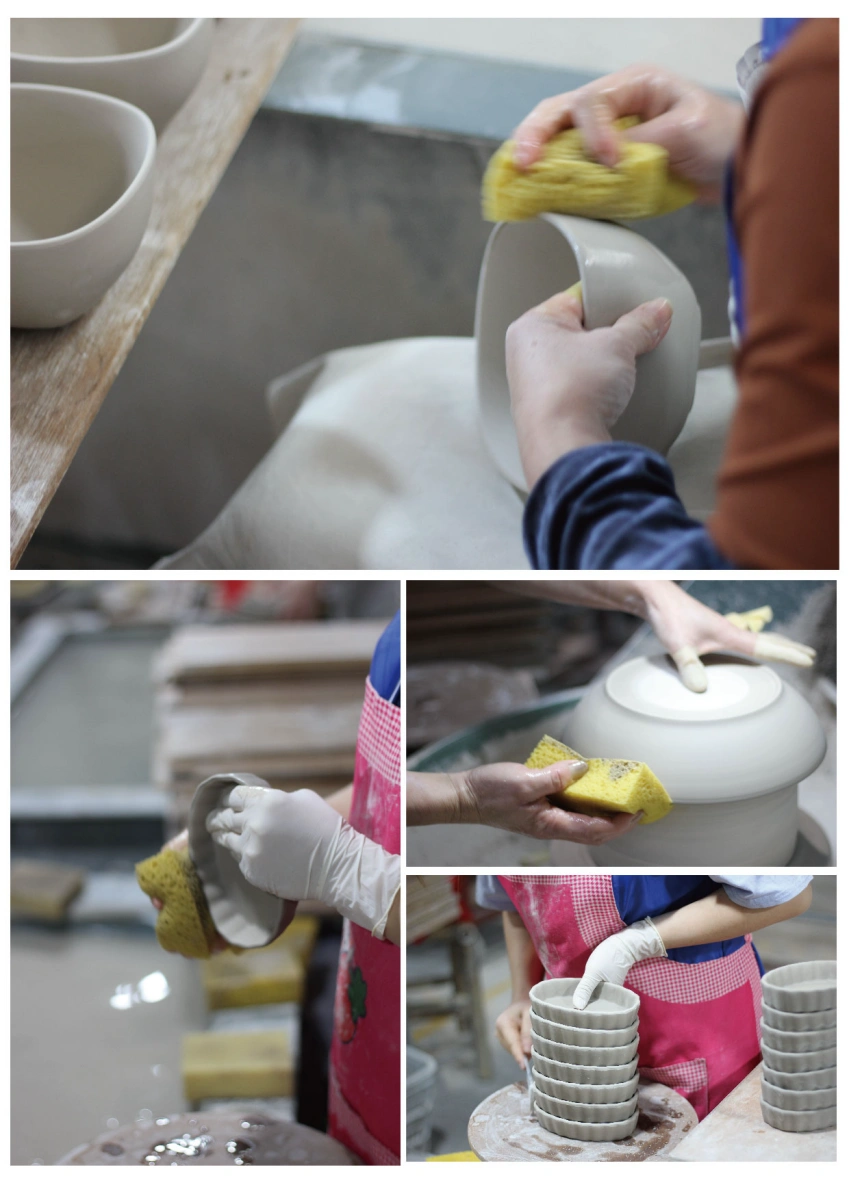
1. What Makes Ceramic Dinnerware “Lightweight” — From a Manufacturing Perspective
Lightweight ceramic dinnerware is not simply “thinner plates.”
It is the result of material formulation, structural design, and firing control.
Key manufacturing factors include:
- High-strength porcelain bodies
Advanced porcelain formulas allow weight reduction while maintaining mechanical strength and chip resistance. - Optimized wall thickness & rim structure
Strategic reinforcement in stress areas (rim, base ring) improves durability without adding unnecessary mass. - Controlled high-temperature firing
Precise kiln control ensures density and strength consistency across large production runs.
👉 For B2B buyers, this means:
- Consistent quality at scale
- Reduced after-sales claims
- Stable performance across different markets
2. Typical Weight Ranges & Commercial Advantages
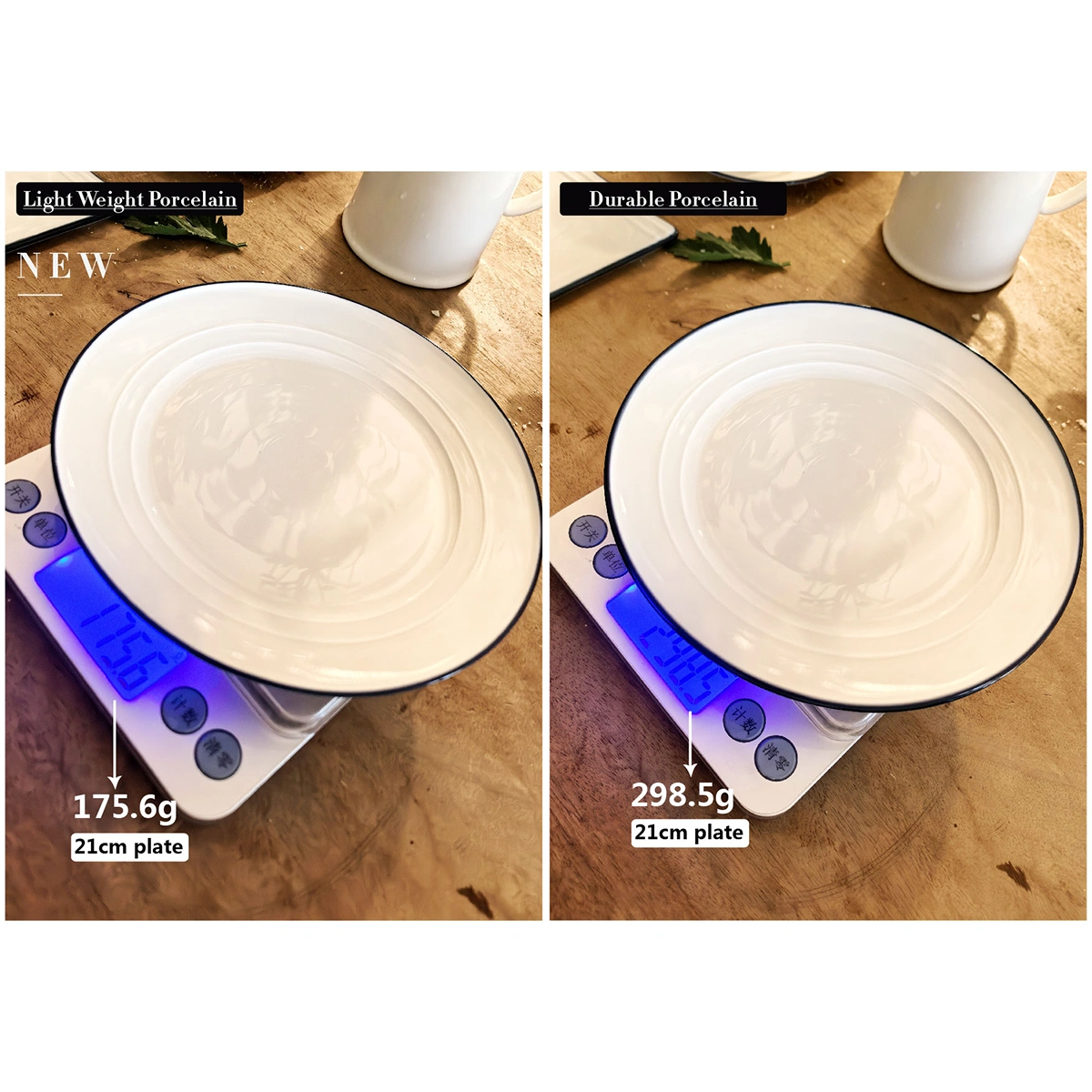
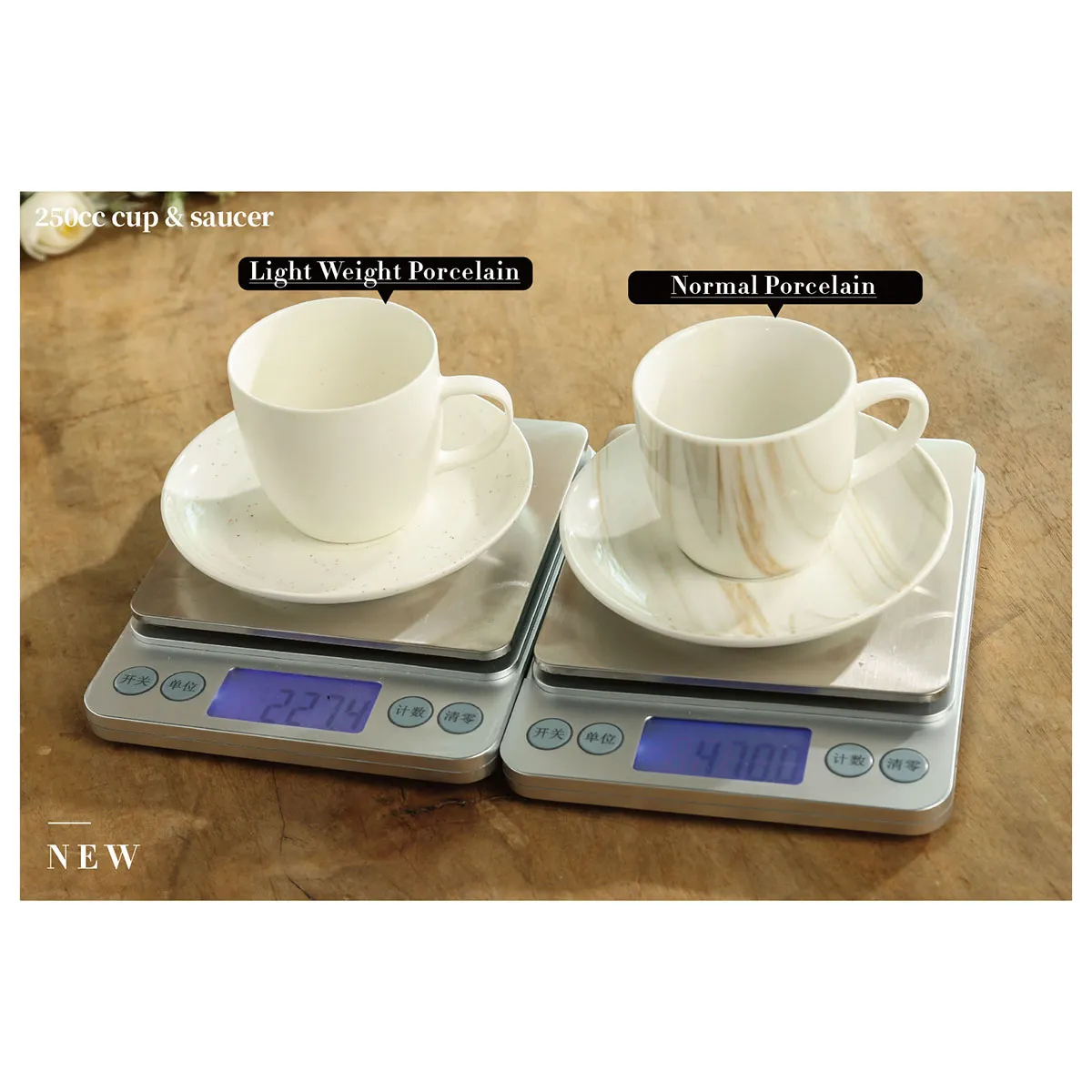
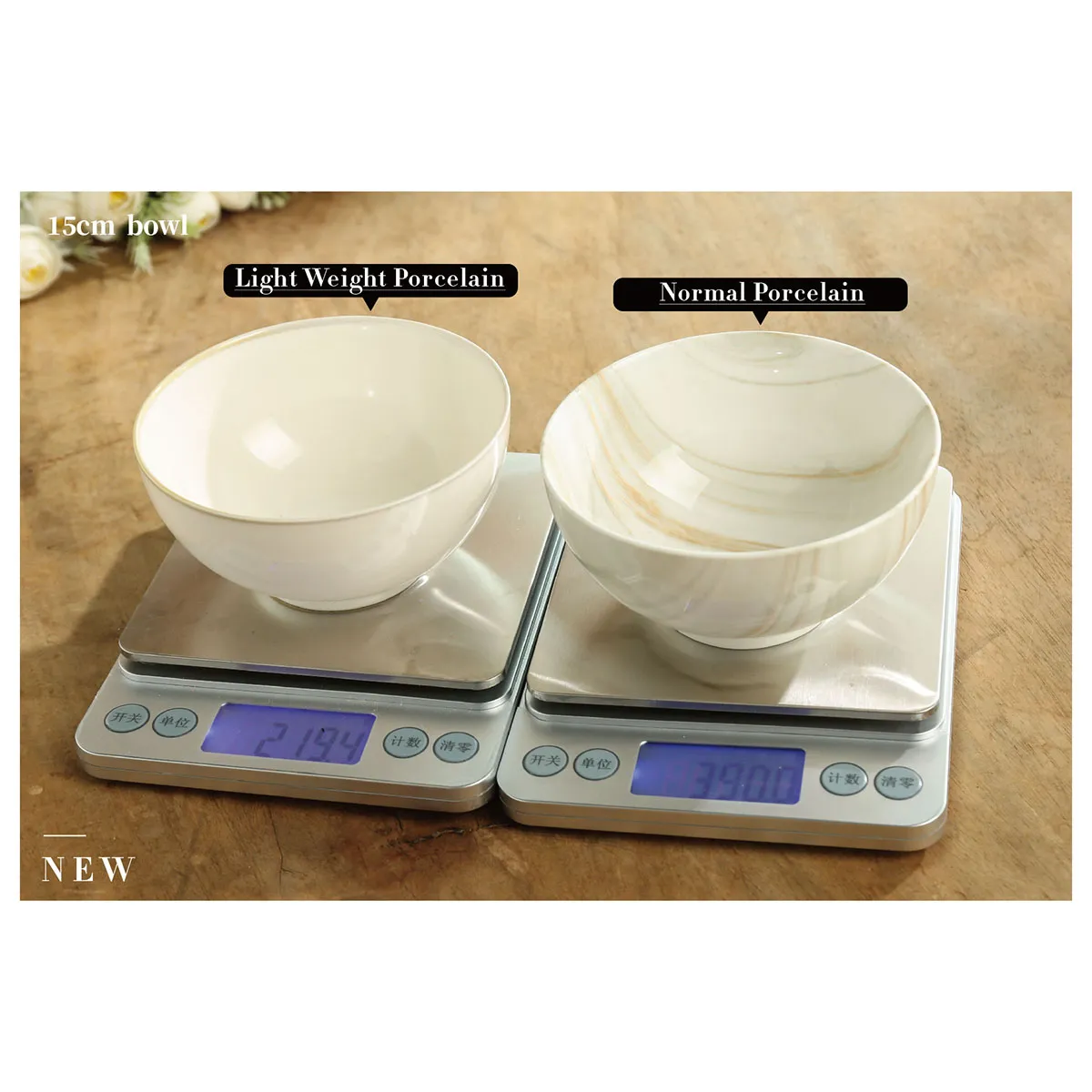
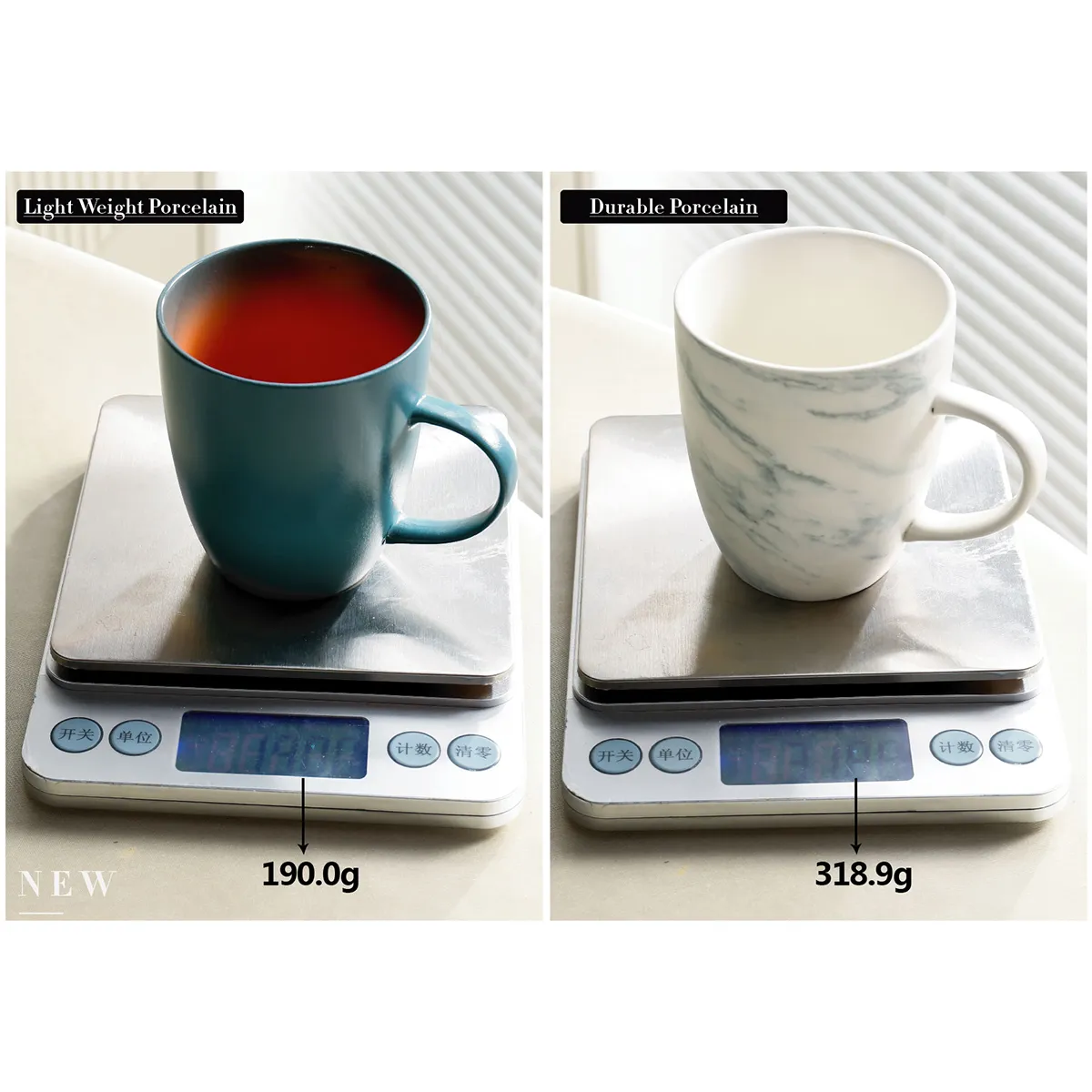
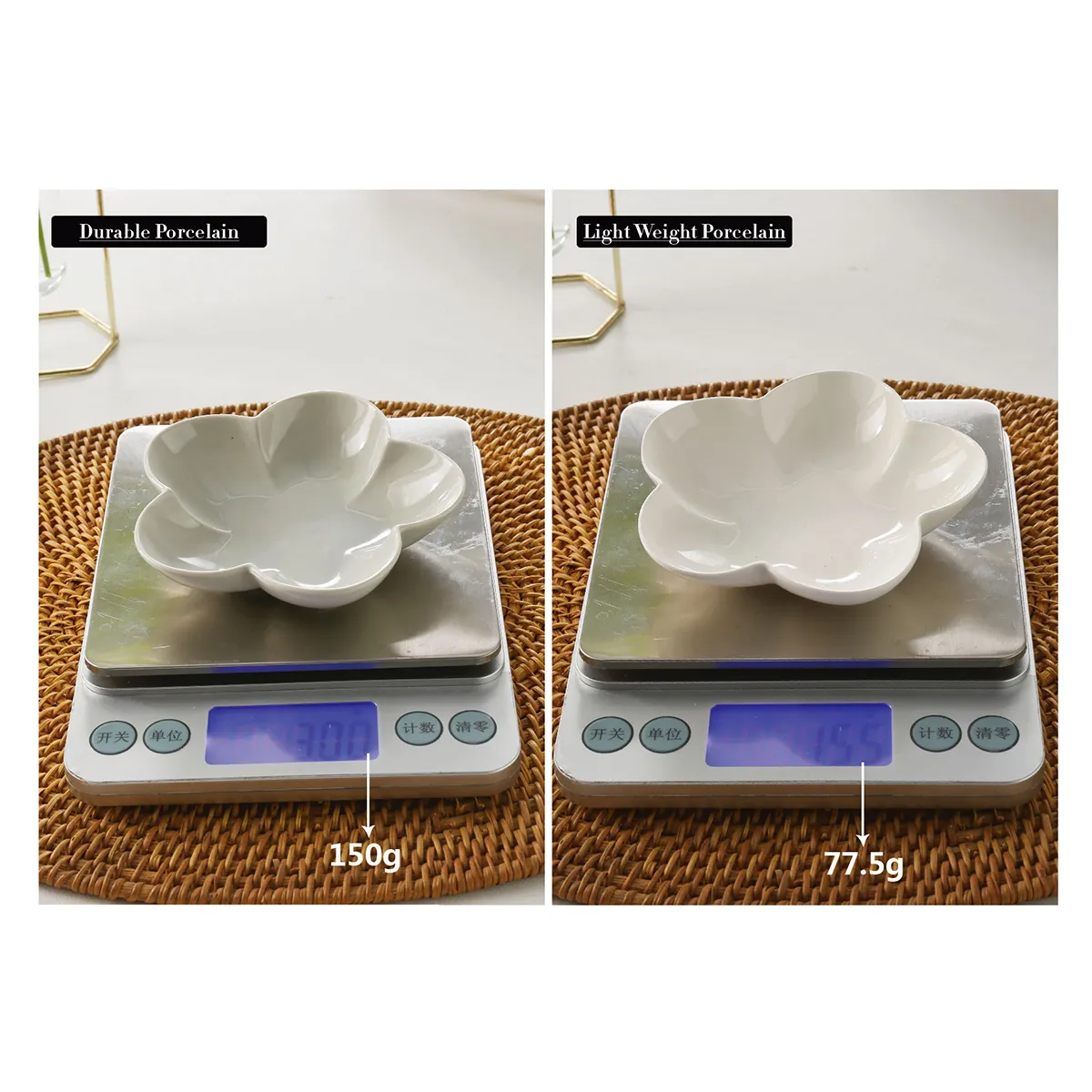
Compared with traditional ceramic tableware, lightweight versions can reduce weight by 20–35%, depending on design.
Example reference (may vary by design):
| Item | Traditional | Lightweight |
|---|---|---|
| Dinner Plate (10–10.5”) | 850–950 g | 600–700 g |
| Soup Bowl | 600–700 g | 420–500 g |
| Mug | 380–450 g | 260–320 g |
Business benefits for buyers:
- Lower shipping cost per container
- Higher handling efficiency in restaurants & hotels
- Reduced breakage rate in transport and storage
- Improved consumer experience, especially for elderly users
3. Design Trends That Sell in Retail & Hospitality Channels
In 2025, lightweight dinnerware design focuses on “Slim Profile, Commercial Strength.”
Popular directions include:
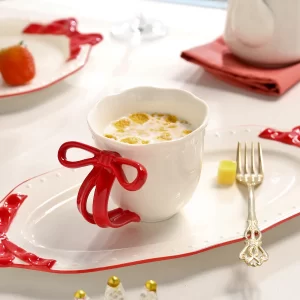
- Clean, modern silhouettes suitable for private label brands
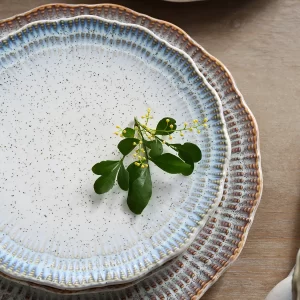
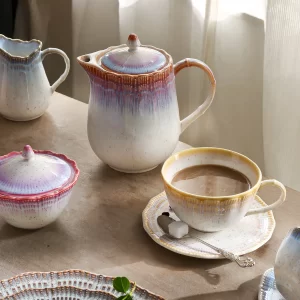
- Neutral or soft-tone glazes for easy market adaptation
- Subtle texture or matte finishes that hide fingerprints and wear
- Stackable forms designed for storage efficiency
From a B2B perspective, successful designs share one trait:
they are easy to customize without re-developing molds.
4. Durability, Safety & Compliance: What Buyers Should Confirm
Lightweight does not mean fragile—if manufacturing standards are correct.
Reliable lightweight ceramic dinnerware should meet:
- Dishwasher safe (commercial cycles)
- Microwave safe
- Thermal shock resistance (cold-to-hot transitions)
- Lead & cadmium compliance for EU / US markets
⚠️ Buyers should always confirm:
- Test standards used (internal or third-party)
- Long-term glaze stability
- Replacement availability for broken items (open stock support)
5. Customization Options for OEM / Private Label Buyers
For brands and importers, customization flexibility is critical.
Common OEM / ODM options include:
- Shape & size adjustments
- Glaze color & finish
- Logo application (underglaze / on-glaze / embossing)
- Packaging design (retail box, bulk pack, eco packaging)
A strong manufacturing partner should offer:
- Design feasibility review
- Sample development before mass production
- Stable lead times for repeat orders
6. Recommended Applications by Buyer Type
Retail & E-commerce Brands
- Lightweight sets reduce return rates caused by breakage
- Easier shipping for DTC fulfillment
Hospitality & Catering Projects
- Reduced staff fatigue
- Faster table turnover and handling
Importers & Wholesalers
- Higher container efficiency
- Broader market compatibility
B2B Buyer Quick Facts (Reference)
- Product Category: Lightweight Ceramic Dinnerware Sets
- Material: High-strength porcelain / ceramic composite
- Customization: OEM / ODM supported
- MOQ: Based on design & process
- Lead Time: Sample + mass production available
- Markets Served: Retail, Hospitality, Private Label
Conclusion: Lightweight Dinnerware as a Scalable Business Choice
For B2B buyers, lightweight ceramic dinnerware is not just a design upgrade—it is a strategic product decision.
When sourced from an experienced manufacturer, it delivers:
- Better logistics economics
- Higher durability-to-weight ratio
- Strong adaptability across markets
- Long-term supply stability
Choosing the right manufacturing partner ensures that lightweight dinnerware performs not only on the table, but in your business operations.
About LovingHome
We are a professional ceramic tableware manufacturer and supplier, specializing in the development and production of dinnerware for wholesale, OEM, and private-label clients worldwide.
With years of manufacturing experience, advanced production facilities, and a dedicated quality control team, we support our partners from concept development to large-scale delivery.
📩 Looking to develop or source lightweight ceramic dinnerware?
Contact us to discuss OEM solutions, samples, and wholesale cooperation.